
Your engineers love your website copy.
Your buyers do not understand it.
I have watched this scene play out more times than I can count.
A cybersecurity founder pulls up their homepage. They are proud of it. Every word is technically correct. Every claim is defensible. The product team signed off on every sentence.
Then they show it to a non-technical friend.
The friend reads it. Nods slowly. Reads it again. The founder watches the confusion spread across their face like a slow tide. The friend says “yeah, looks good” and changes the subject.
The founder knows what that means.
Nobody said anything was wrong. But nothing landed either.
Here is why this happens.
Engineers and product teams are trained to be precise. Precision protects them. If they write “AI-powered behavioral anomaly detection,” they cannot be accused of overstating the product. Every word is correct. Every word is safe.
But safe copy is not the same as clear copy.
The instinct is understandable. Cybersecurity is a high-stakes industry. Getting the language wrong feels risky. So teams default to the technically correct version of every sentence, every time.
The result is a homepage that reads like a white paper.
And whitepapers do not convert visitors into demo calls.
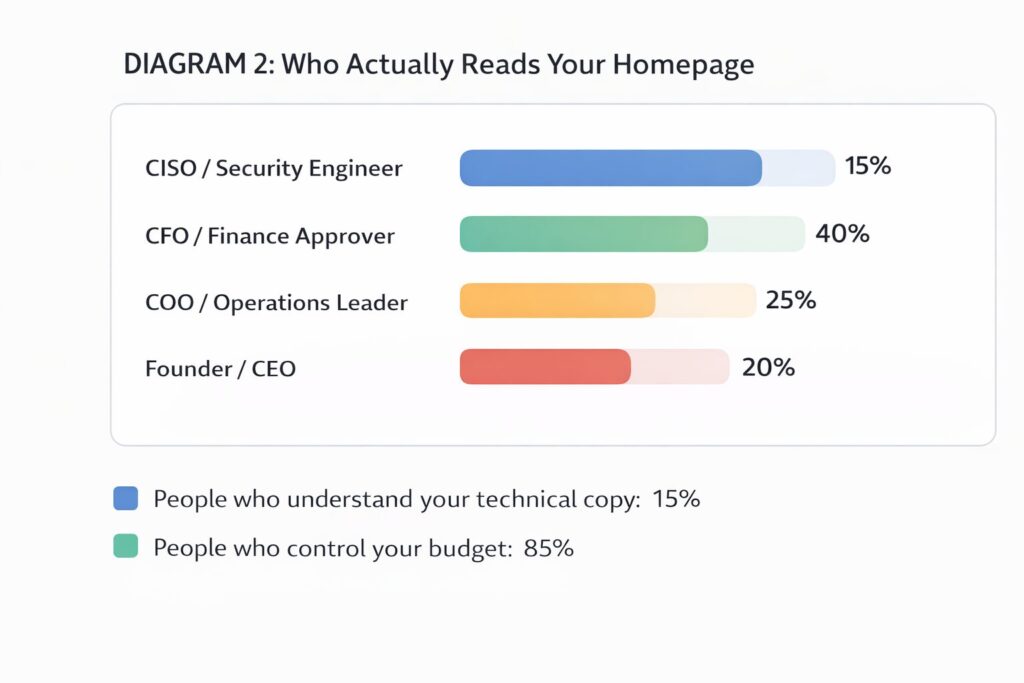
Let me tell you who actually reads your homepage.
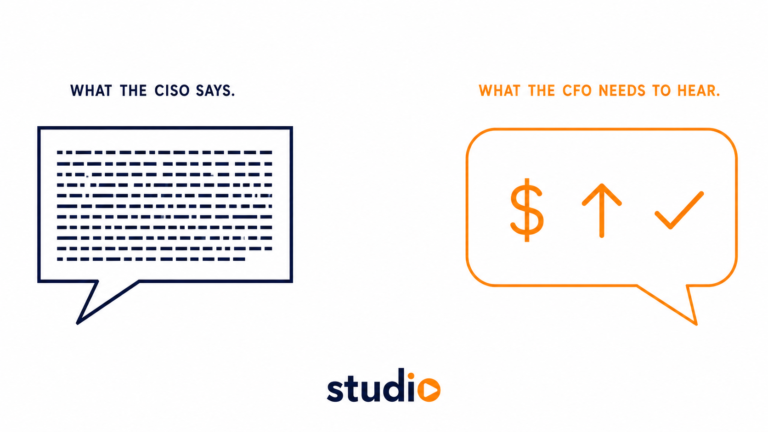
It is not your CISO. They already know your product exists. They sent the link to someone else.
The person reading your homepage is more likely to be:
None of these people went to cybersecurity school.
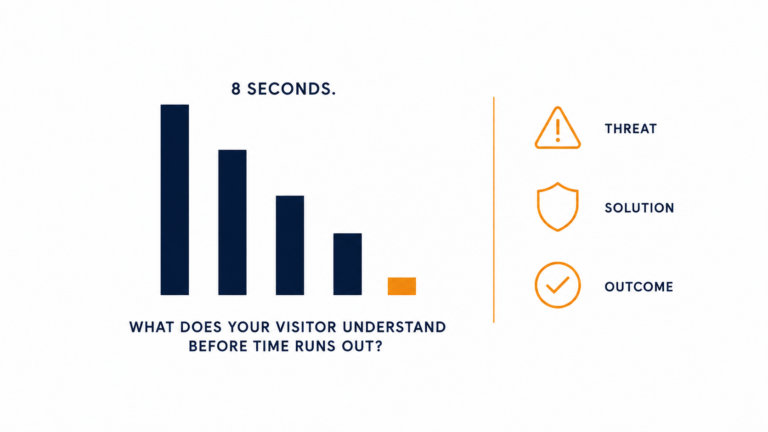
What they need to feel when they land on your homepage is not impressed. They need to feel three things:
Technical accuracy delivers none of those feelings. Clarity delivers all three.
Here is the thing most cybersecurity teams get wrong.
They think accuracy and clarity are opposites. That making something simple means making it less true. That if a non-technical buyer can understand it, the engineers will think it is dumbed down.
That is not true.
Clarity is not dumbing down. Clarity is respecting your buyer’s time.
When Apple explains the iPhone chip they do not say “3-nanometer architecture with second-generation 3D stacking technology.” They say “the fastest chip we have ever built.” Both are accurate. One lands.
You do not have to choose between being technically precise and being understood. You have to choose which audience you are writing for first. And the answer, on your homepage, is always the buyer.
This is where visual communication changes everything.
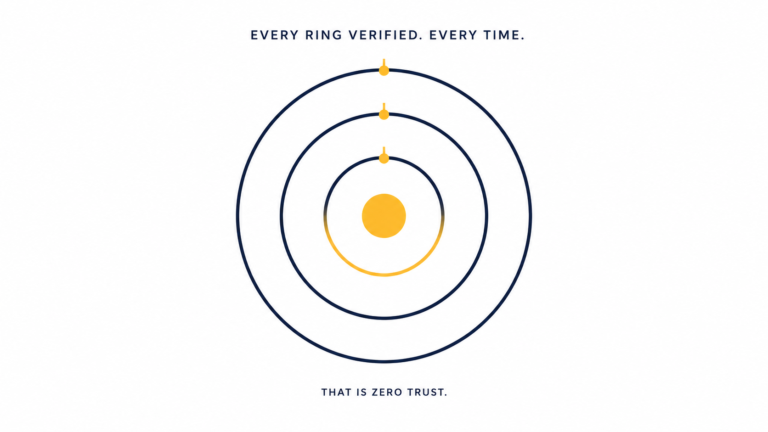
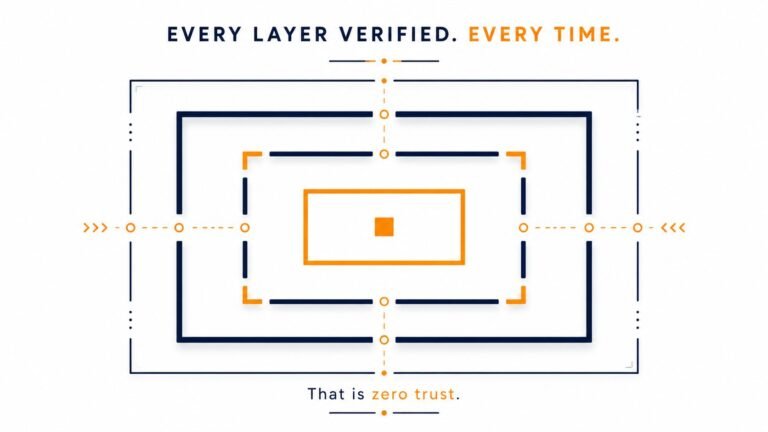
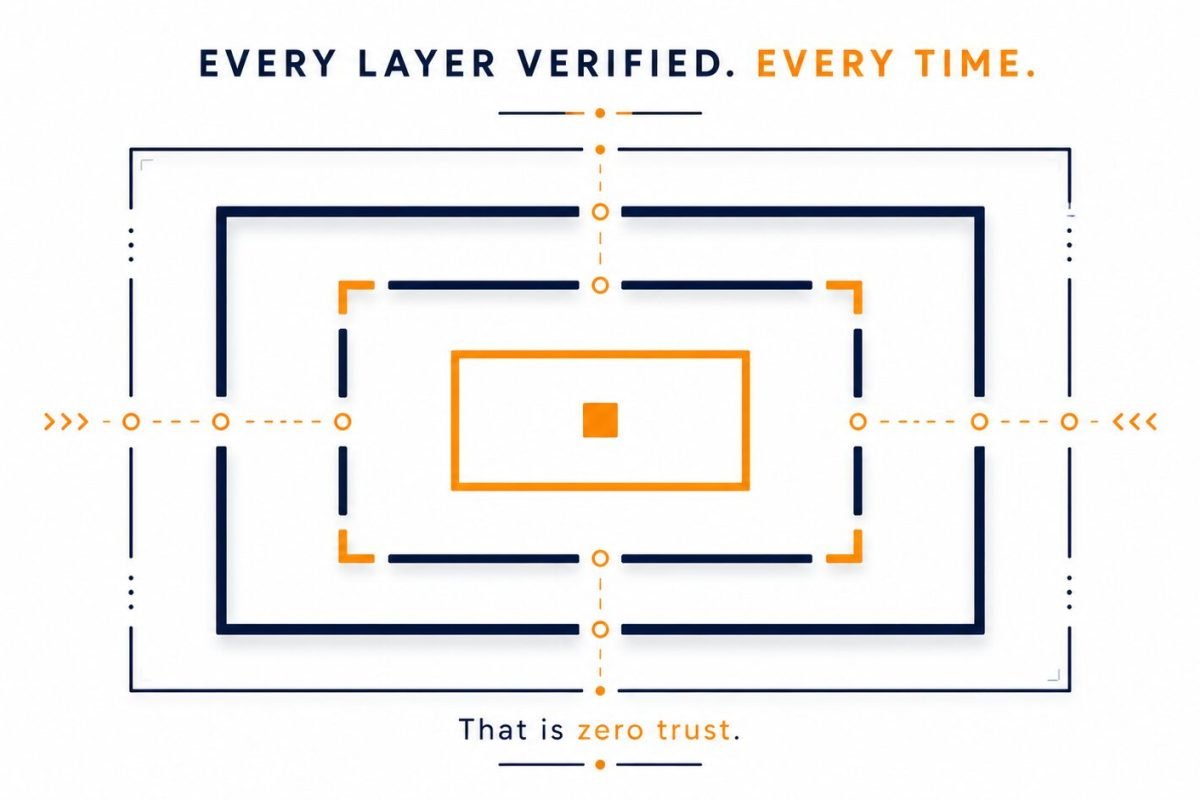
Animation can show a network being breached without using the word “lateral movement.” It can show an identity being verified without using the word “authentication.” It can show a threat being neutralized without using the word “remediation.”
The concept stays accurate. The language stays human.
That is the power of a 60-second animated explainer video. It translates technical truth into visual story. No jargon needed. No accuracy lost. Just a buyer who finally understands what you do.
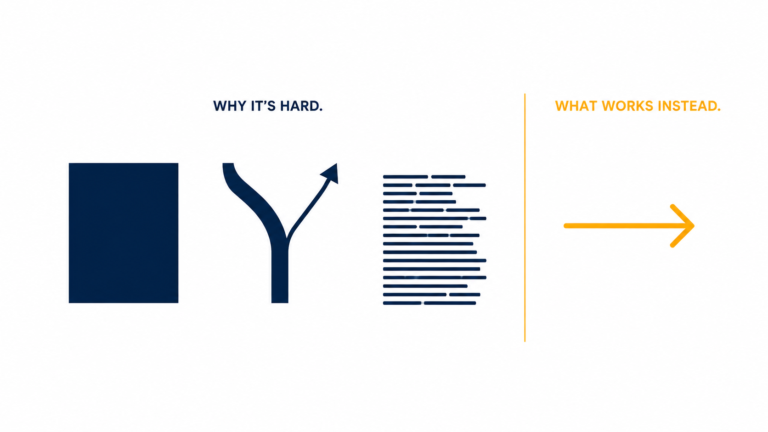
Below are two diagrams showing what this translation looks like in practice.
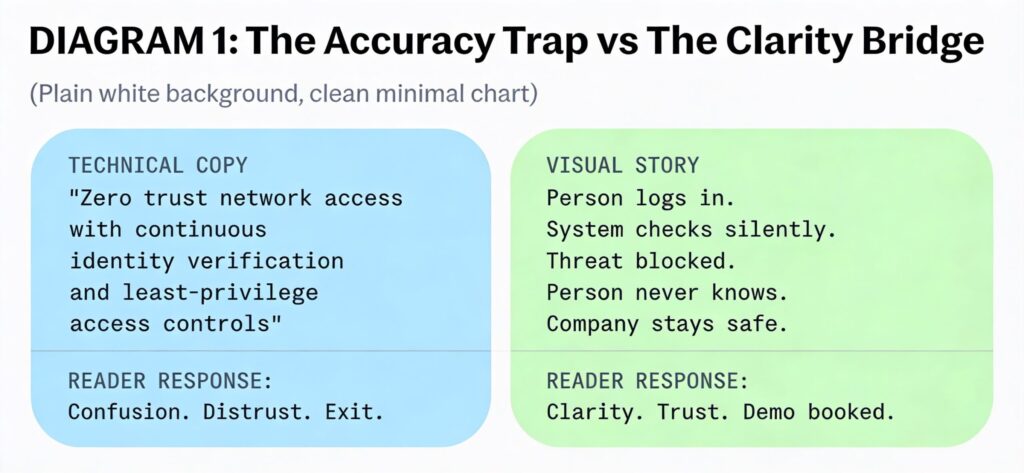
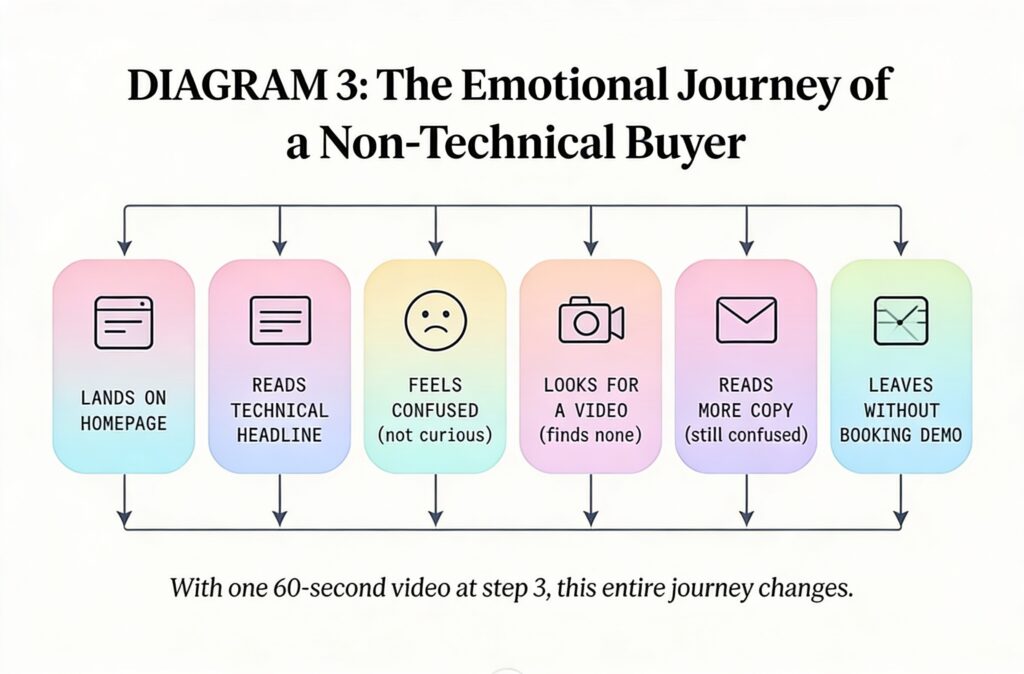
I have built explainer videos for complex B2B and AI companies for years. The ones that work best are not the ones with the most technical detail. They are the ones that make a non-technical buyer feel the problem in the first 10 seconds.
You can see how this approach works across different complex products at ayeansstudio.com/portfolio.
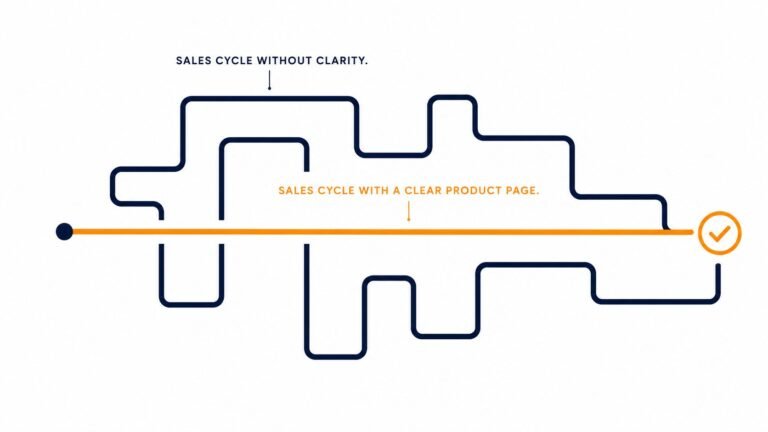
Every video in that portfolio started as a company with a communication gap. Not a product gap. A communication gap. And everyone was closed with a visual story, not with better copy.
I want to ask you something honest.
When you wrote your homepage copy, who were you writing it for?
Your engineers, who needed to approve it?
Or your buyers, who need to understand it?
Drop your answer in the comments. I read everyone.
And if you want an outside perspective on where your homepage is losing non-technical buyers, book a free 15-minute audit here. I will tell you exactly what a CFO sees when they land on your page.
Which matters more to you: being technically precise, or being understood?
Ayan W

Hi, I’m Ayan Wakil, the founder & CEO of Ayeans Studio.
Check out these and many other tips in our blog!