
Your CISO understands endpoint protection. Your CFO controls the budget. Problem.
Picture this.
The CISO walks into the quarterly budget meeting. Laptop open. Slide deck ready. They have spent two weeks preparing this presentation. They genuinely believe in the product. They know exactly why the company needs it.
The CFO sits across the table with a coffee and a spreadsheet.
The CISO begins.
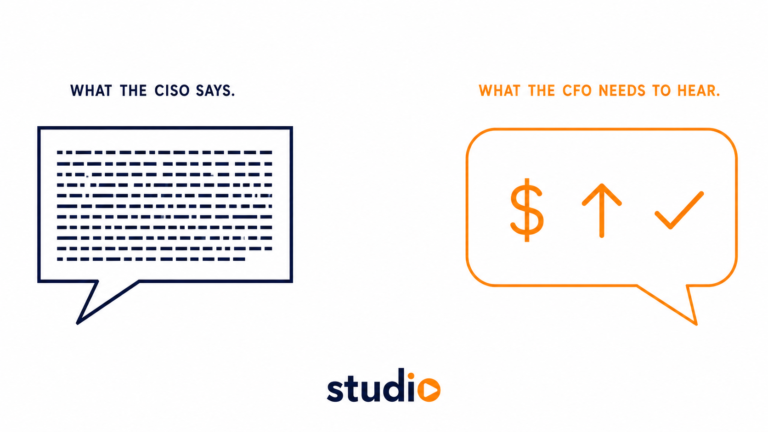
“We need to deploy an endpoint detection and response solution to address lateral movement risks across our distributed device fleet and close gaps in our current telemetry coverage.”
The CFO nods.
They have absolutely no idea what was just said.
Let me be honest about what happens in that room.
The CFO hears technical words. They catch a few familiar ones. “Devices.” “Gaps.” “Coverage.” They piece together that something is at risk. They are not sure what. They are not sure how much it costs to ignore it. They are not sure what success looks like if they approve the budget.
So they do what any rational person does when they do not have enough information to make a confident decision.
They delay.
“Let us revisit this next quarter.”
And the CISO walks out frustrated, wondering why leadership does not take security seriously.
They take it seriously. They just did not understand it.
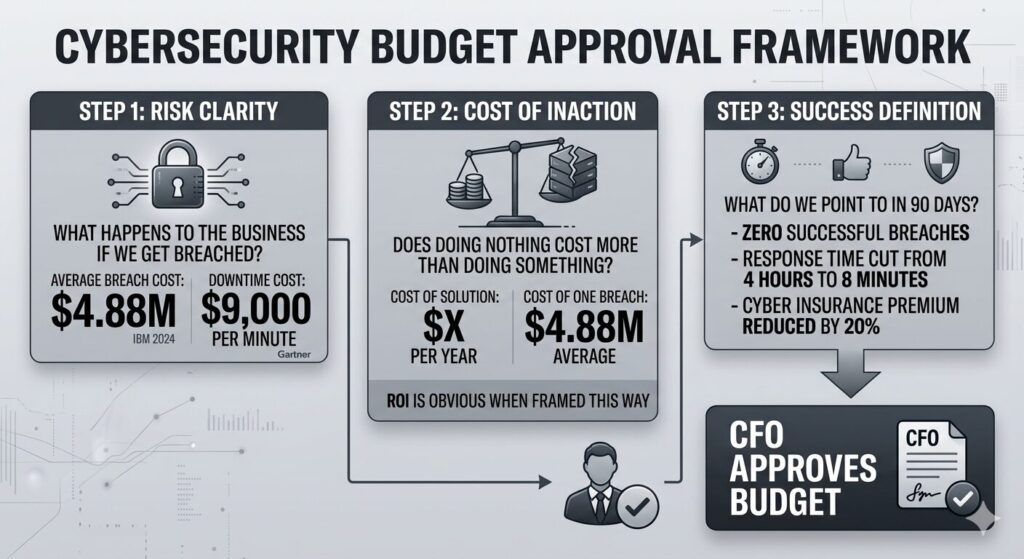
A CFO approves budgets based on three things. Not technical specs. Not feature lists. Not compliance acronyms.
1. What is the risk if we do nothing?
Not the technical risk. The business risk. What happens to revenue, reputation, and operations if this problem is not solved? The average cost of a data breach in 2024 was $4.88 million according to IBM. That sentence a CFO understands immediately.
2. What is the cost of inaction versus the cost of the solution?
This is pure financial logic. If doing nothing costs more than doing something, the decision is obvious. But most cybersecurity pitches never frame it this way. They lead with product features instead of financial consequence.
3. What does success look like in 90 days?
A CFO needs a measurable outcome to justify the spend. Not “improved security posture.” Something concrete. Fewer incidents. Faster response time. Reduced insurance premiums. Give them a number to point to.
Here is the painful truth.
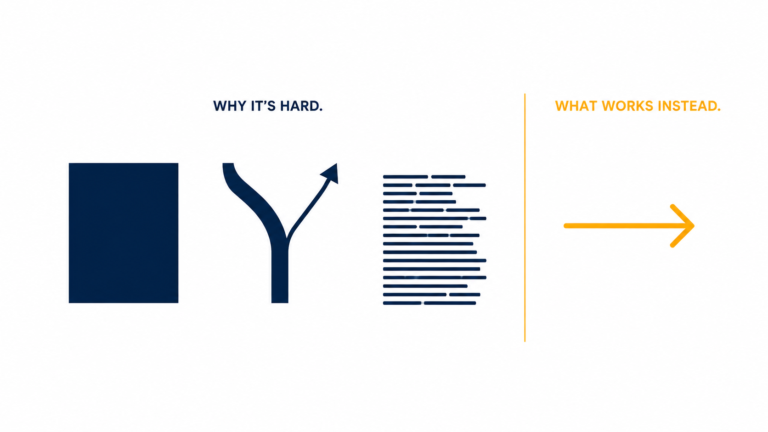
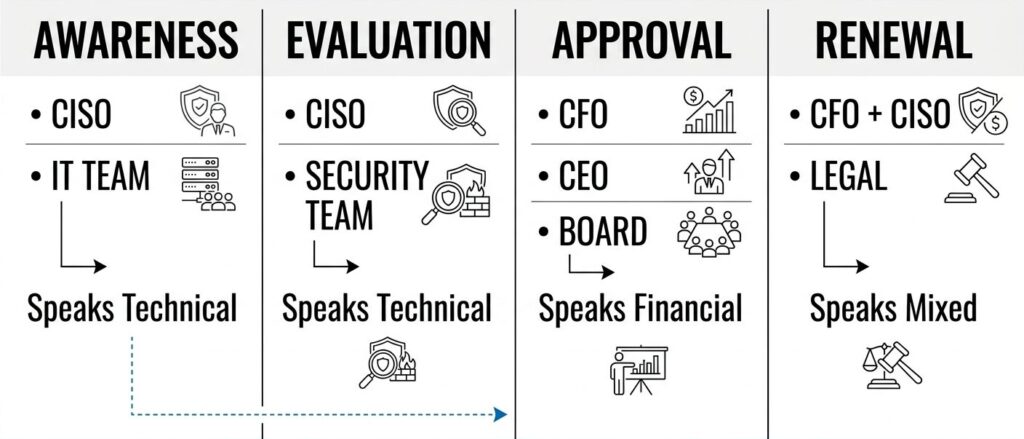
Most cybersecurity marketing is written for the CISO. Technical. Precise. Feature-heavy. It works beautifully for the person who evaluates the product technically.
It fails completely for the person who approves the payment.
Companies like CrowdStrike, SentinelOne, and Palo Alto Networks have enough brand weight to survive this gap. A 40-person endpoint security startup does not.
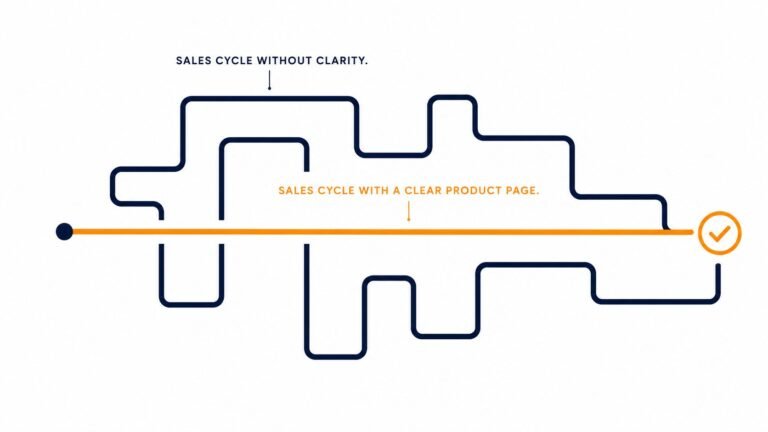
If your product requires a technical champion to translate it for financial decision-makers, you have a dependency in your sales process that will slow every single deal.
The solution is not to hire a better CISO. It is to create communication that works for both audiences at once.
This is where animation does something no whitepaper can.
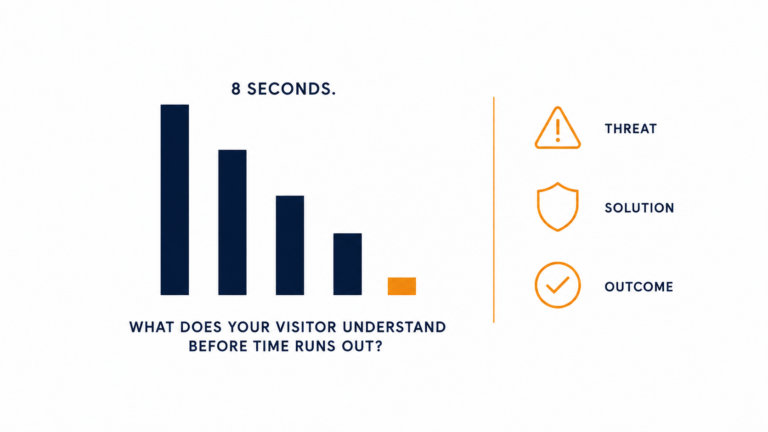
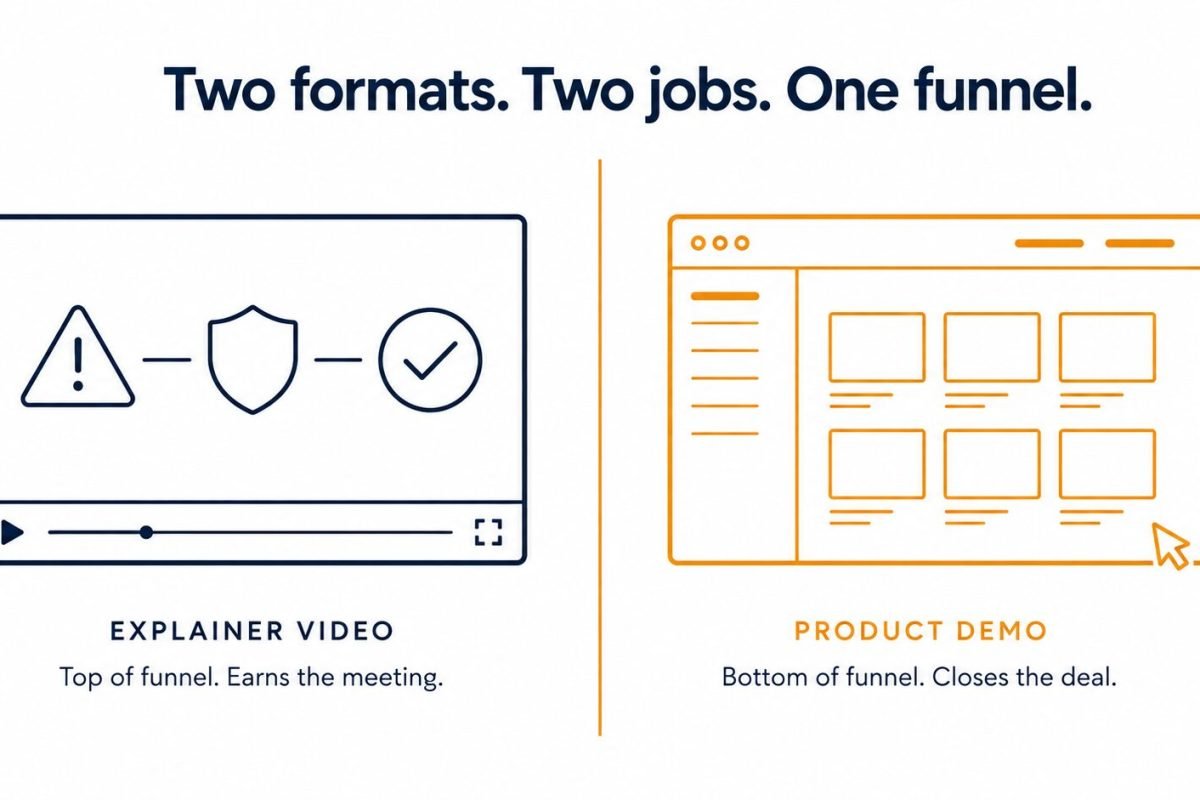
A 60-second animated video can open with a business scenario a CFO immediately recognizes. A company laptop gets compromised. Data starts moving. The business is exposed. Then the solution steps in. The threat stops. The data stays safe. The company continues operating.
No jargon. No acronyms. Just a story that makes both the CISO and the CFO feel the problem and trust the solution in under a minute.
I have built these videos for complex B2B and AI companies for years. The ones that work for multi-stakeholder buying groups are always built around the outcome, not the feature.
You can see exactly how this approach works at ayeansstudio.com/portfolio.
The goal is never to replace technical documentation. The goal is to give your CISO a tool they can share in any room, with any audience, and have it land every time.
Who in your company is the hardest person to explain your product to?
Is it the CFO? The board? A non-technical CEO?
Drop their title in the comments. I want to understand where this gap shows up most in cybersecurity teams.
And if you want to talk through how a 60-second video could bridge this gap for your specific product, book a free 15-minute call here. No pitch. Just a real conversation about your buyers.
The problem is never that your product is too complex. The problem is that your explanation was built for the wrong person in the room.
Ayan W

Hi, I’m Ayan Wakil, the founder & CEO of Ayeans Studio.
Check out these and many other tips in our blog!