


More words = less authority
More words equal less authority. That is the core problem behind sales overexplaining.
When a founder or rep keeps talking, the buyer does not hear “confidence.” They hear uncertainty. It feels like you are trying to earn the deal with volume instead of clarity. In SaaS and B2B, where buyers already expect complexity, extra explanation makes the decision feel heavier, not safer.
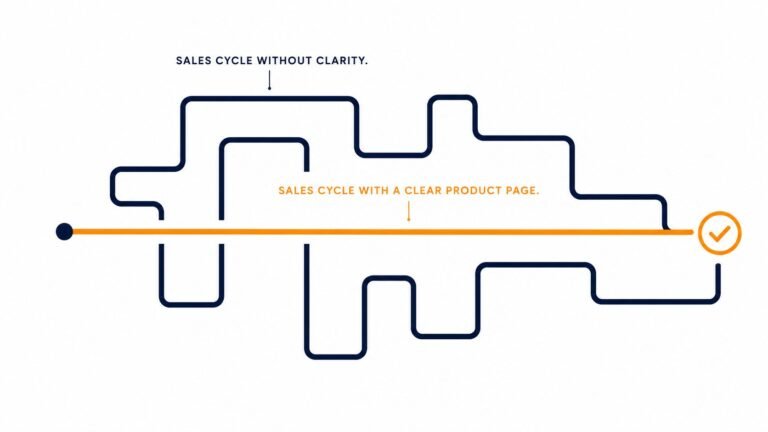
Over-education slows the sale because it adds mental load. Buyers do not reject you because they lack information. They reject you because they cannot see the path.
Common ways sales overexplaining shows up:
The result is predictable. The buyer says, “Send me something,” then disappears. That is not a content request. It is an exit.

I work hands-on as a CRO and Growth Strategist across 7 companies at a time. Across SaaS, B2B services, eCommerce, and agencies, I have watched the same shift improve conversion: shorten the message, tighten the path, and momentum comes back.
In multiple engagements, 20 to 30 percent conversion growth came after removing things that felt “helpful” but were actually noise.
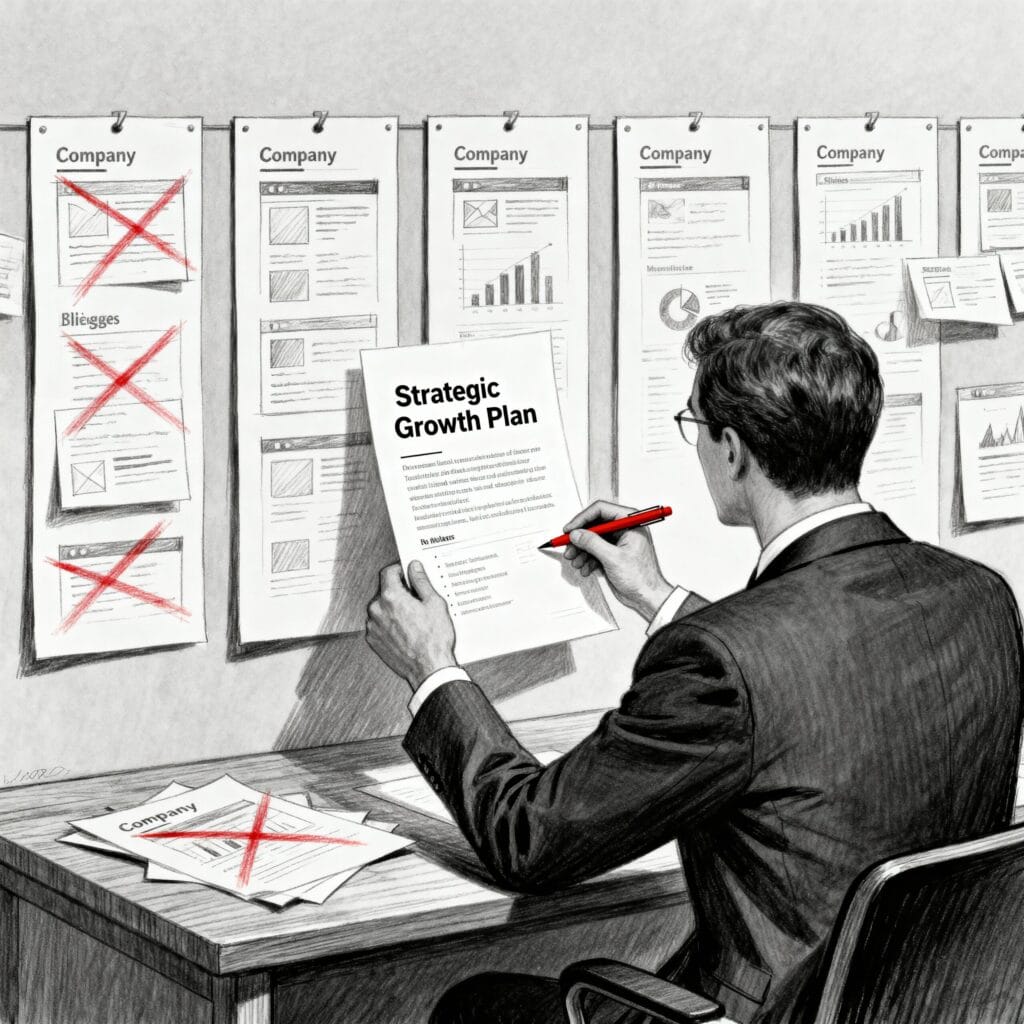
Compression is not saying less to be clever. It is saying the right thing first.
The principle I use:
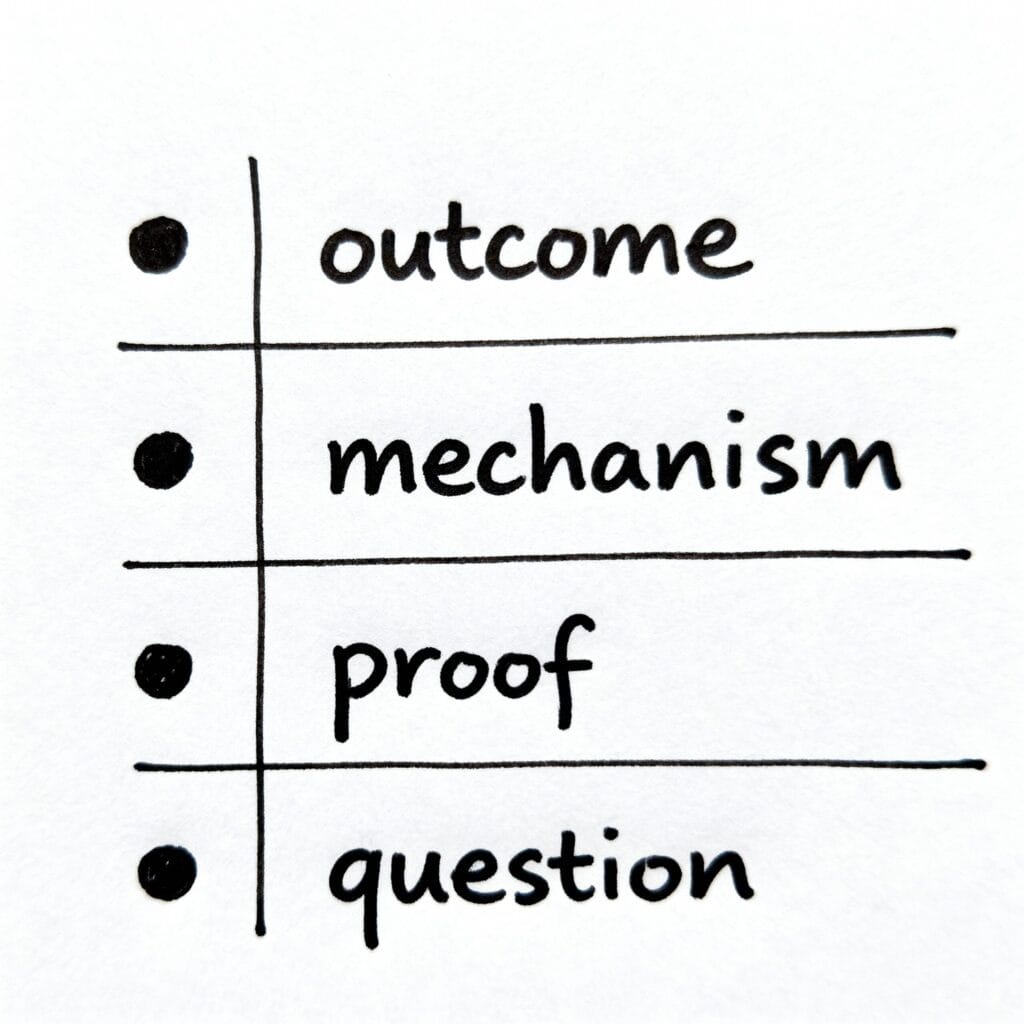
A simple structure that works on calls, in outbound, and on landing pages:
If you cannot say it simply, the buyer assumes it is hard to implement.
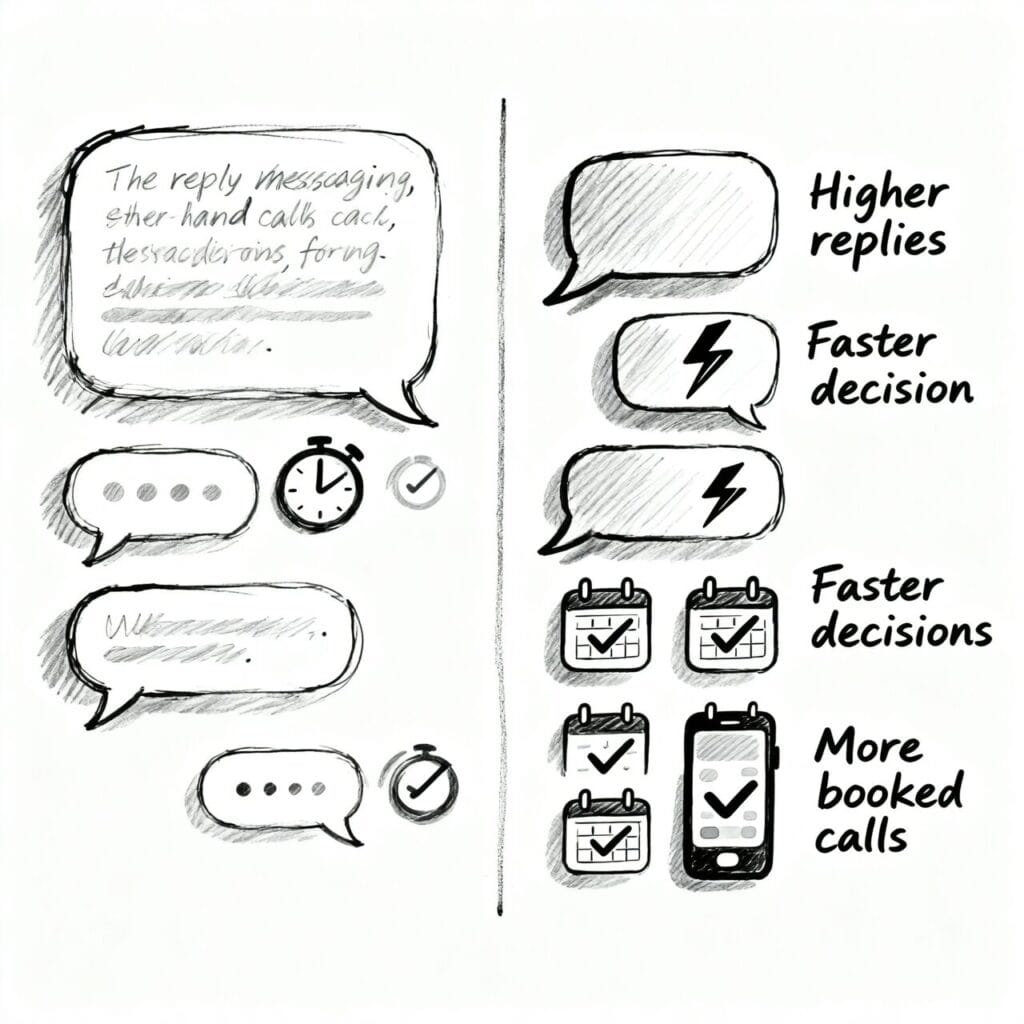
When the message is compressed, engagement rises because the buyer can respond. They are not stuck in processing.
You will see:
This is what authority looks like in practice. It is calm, direct, and specific.
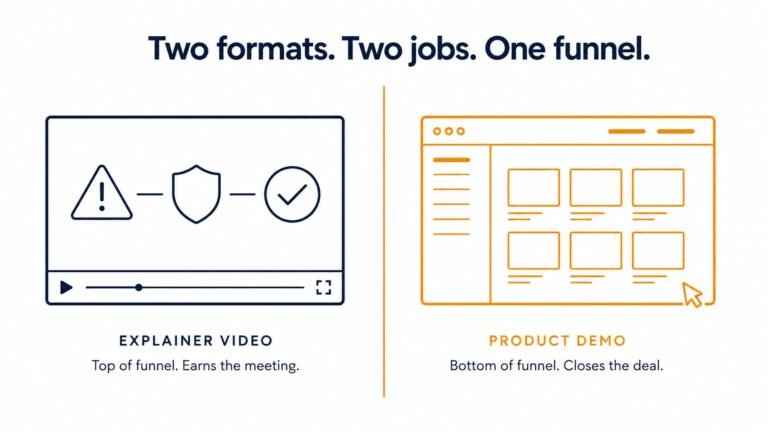
I am not positioned as a video creator. I use explainer and demo videos as conversion infrastructure inside sales systems because they convey clarity without adding call time.
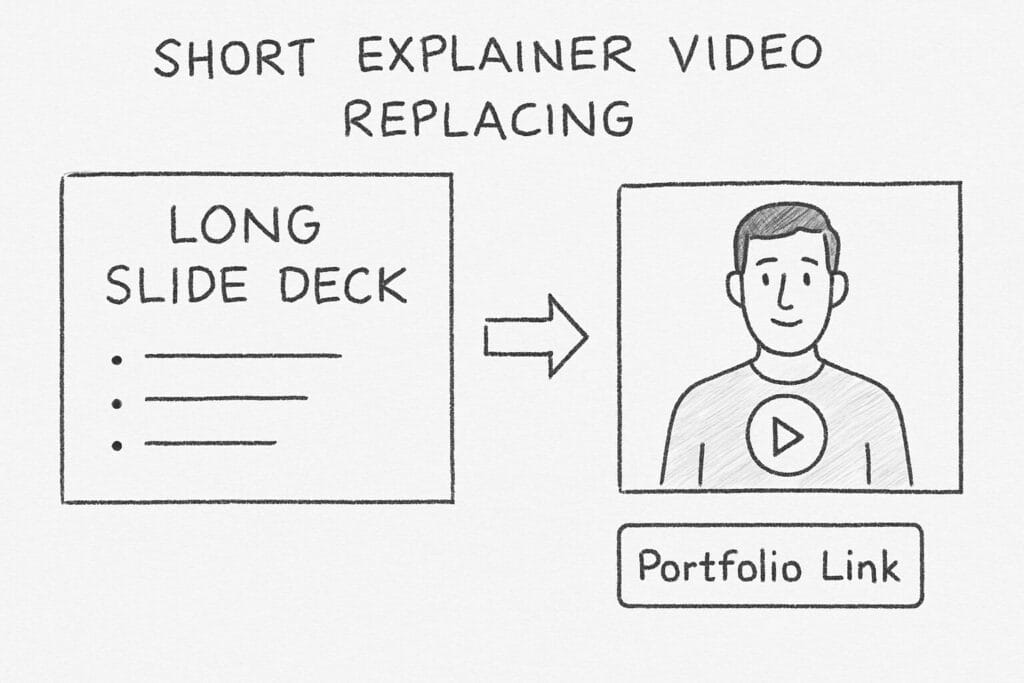
A short explainer can replace a long deck by doing one job: orient the buyer. It frames the problem, the mechanism, and the next step in under two minutes. That reduces back-and-forth and keeps the sales conversation focused on fit, not education.
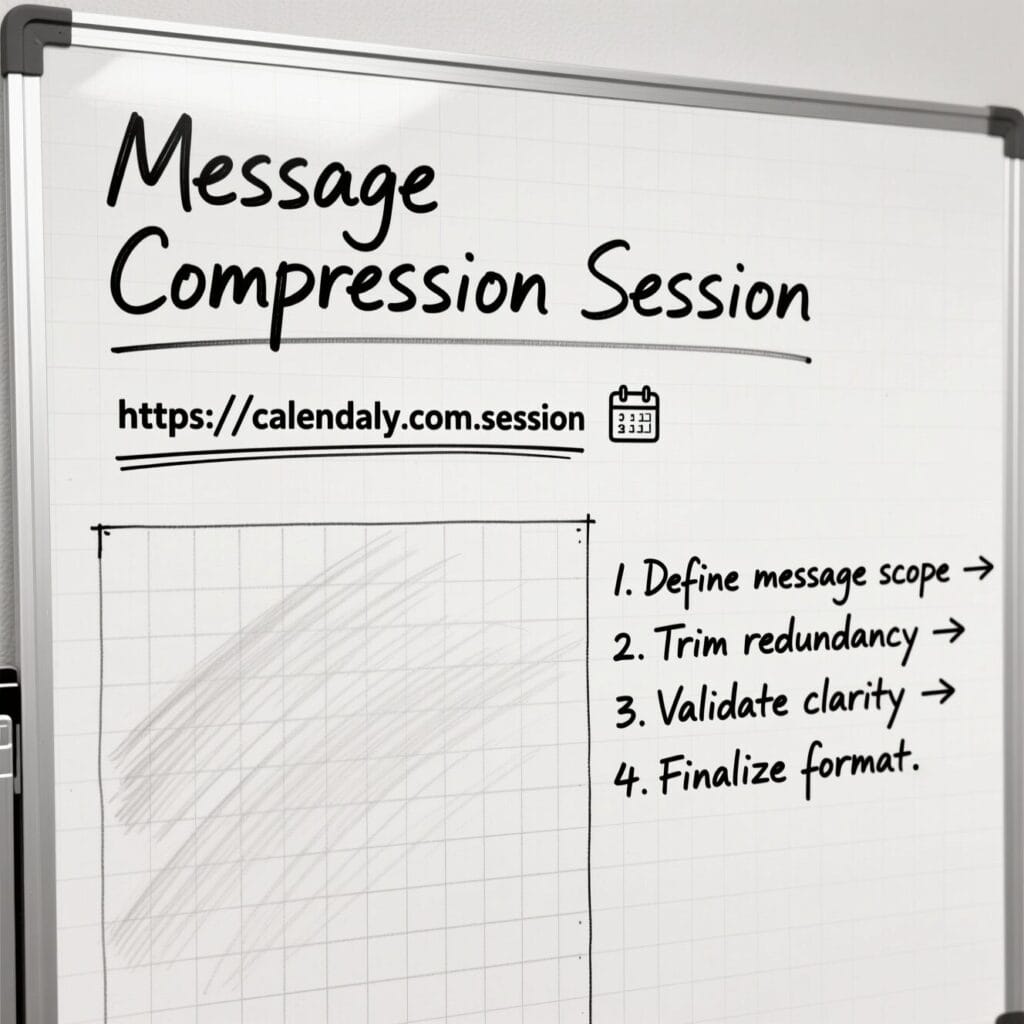
If your team is explaining a lot and closing a little, the fix is not more talk. It is a message compression session: tighten the narrative, remove the noise, and rebuild the next step so buyers move.

Hi, I’m Ayan Wakil, the founder & CEO of Ayeans Studio.
Check out these and many other tips in our blog!

We provide services that successfully satisfy your Business Objectives
Ayeans Studio is a German-based Video Production Company, all set to deliver our pride services to US-based Clients