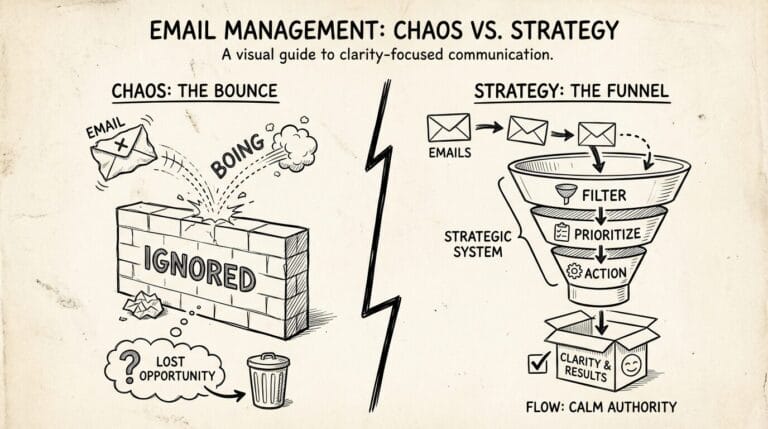


People don’t buy logic. They buy relief. That is the most practical starting point in sales psychology, especially for SaaS and B2B deals where the product is complex and the buyer is busy.
Relief does not mean emotion or hype. It means the buyer feels a reduction in risk: less uncertainty, fewer moving parts, and a clearer path to a better outcome. High-converting sales conversations create that feeling early, before feature talk begins.
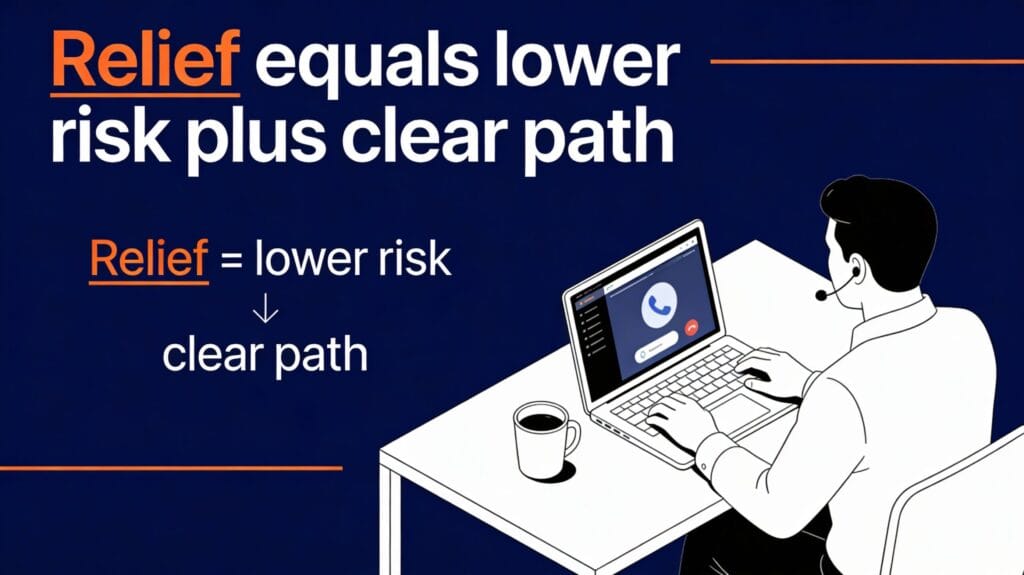
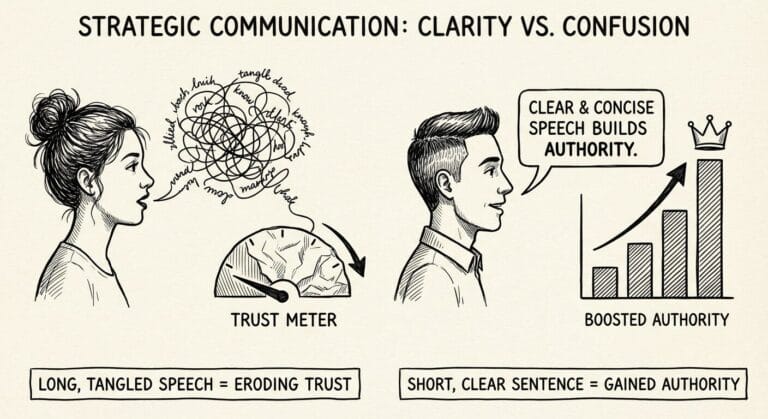
Most sales calls fail because they overload logic too soon. Founders and reps try to “be thorough” and end up stacking details before the buyer has a frame to hold them.
A buyer cannot evaluate your product when they still feel unsafe making the decision. Their attention goes to hidden questions like: Will this waste time, will implementation get messy, will I look wrong internally, will this vendor disappear after the contract.
When the call becomes a spreadsheet of features, the buyer does what smart buyers do: they delay.
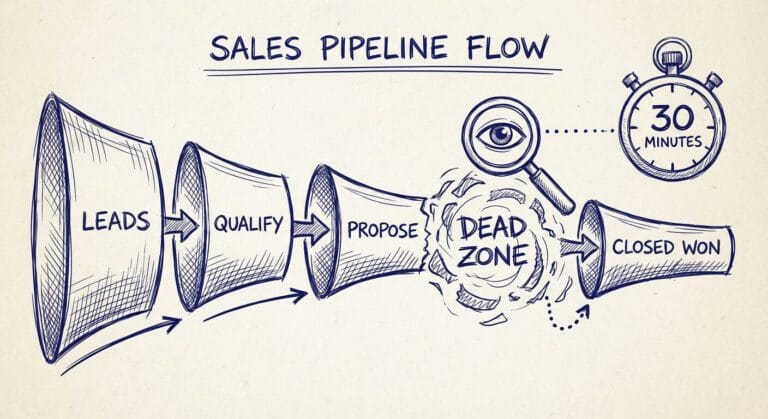
I work hands-on as a CRO and Growth Strategist across 7 companies at a time. The work spans SaaS, B2B services, eCommerce, and agencies. The pattern is consistent: the pipeline does not break because teams lack effort. It breaks because conversations create friction instead of clarity.
In multiple engagements, 20 to 30 percent conversion growth came from changing how the call is run. Not new scripts. Not “handling objections better.” The shift was simpler: stop convincing and start guiding.
Guiding means the buyer feels understood, the decision feels structured, and the next step feels safe.

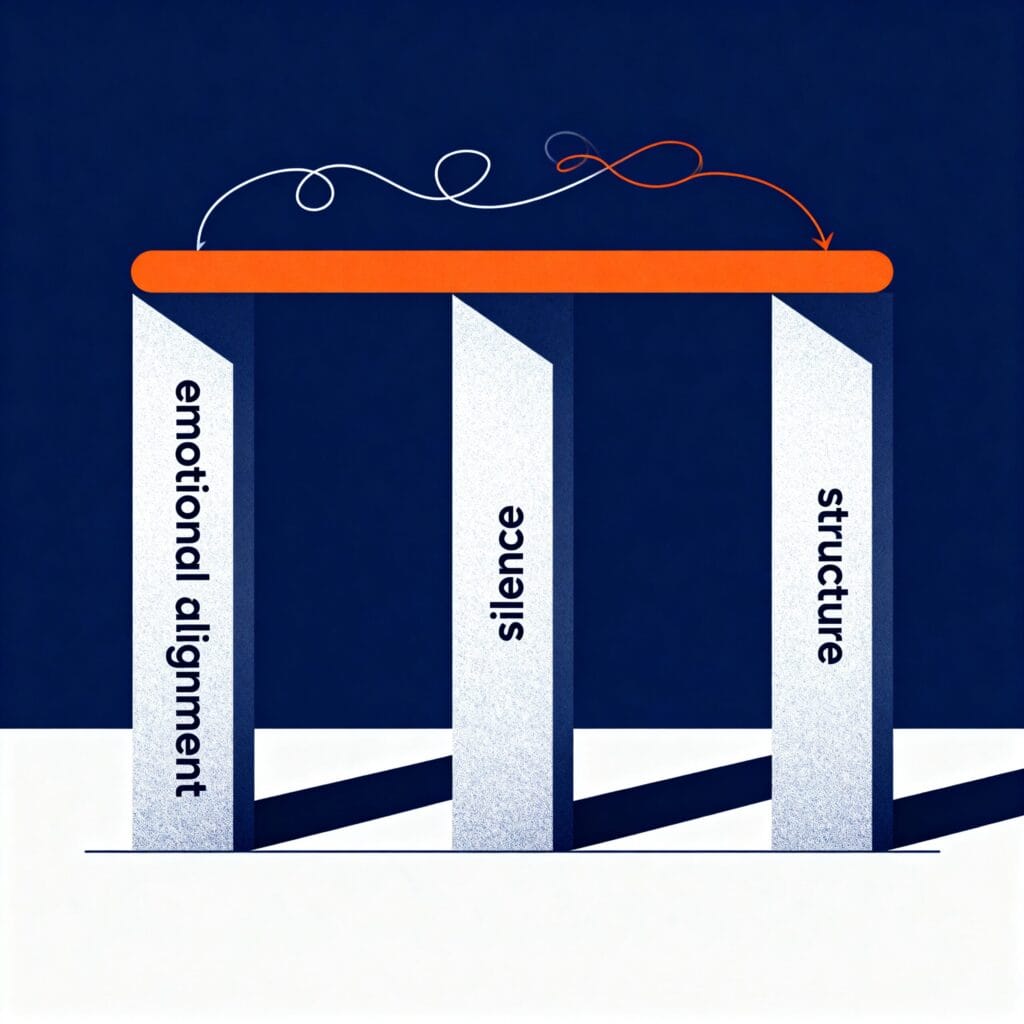
High-converting calls are built on three levers: emotional alignment, silence, and structure. None of them require charisma. They require control.
Emotional alignment is the part founders skip because it sounds soft. It is not soft. It is a way to reduce risk by proving you understand the real problem. A buyer trusts the vendor who names their situation clearly.
Use this sequence:
If the buyer corrects you, that is a win. It means they engaged. Engagement beats polite listening.
Silence is where most deals are won, because silence creates space for the buyer to reveal the real constraint. After a strong question, stop talking. Let it land.
Practical examples:
Structure is the safety rail. Buyers convert faster when the call has a clear shape:
A clean structure lowers cognitive load. Lower cognitive load increases action.
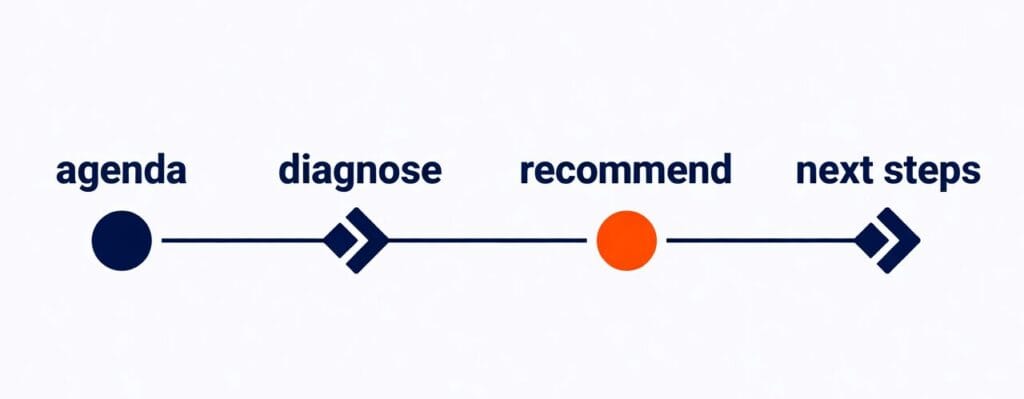
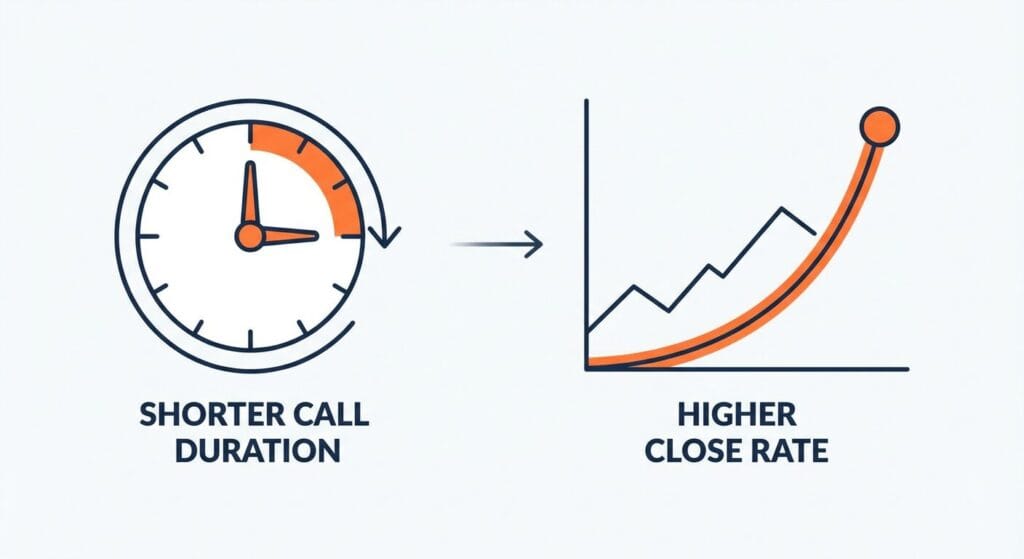
When teams apply these levers, calls get shorter and decisions get cleaner. You see fewer “send more info” stalls because the buyer already has the frame. You also see fewer objections, because most objections are delayed confusion.
The practical outcomes look like this:
This is what sales excellence looks like in real life. Calm, structured, and decisive.
I am not positioned as a video creator. I use explainer and demo videos as strategic conversion infrastructure inside sales systems, because they prime the buyer’s psychology before the conversation starts.
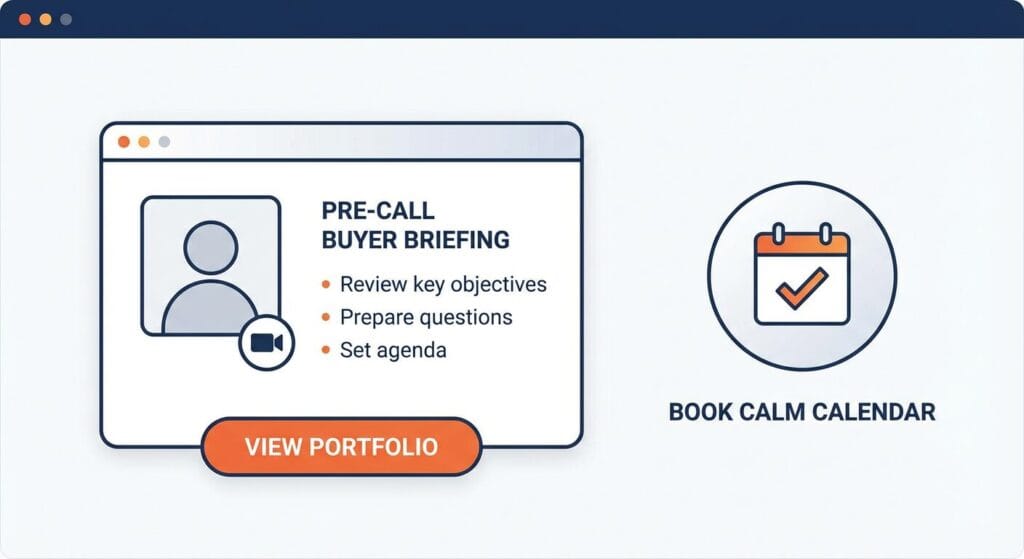
A short pre-call video can remove the most common sources of friction:
This changes the call. The buyer shows up oriented. Less time is spent on basics, more time on diagnosis and fit. Keep a Portfolio Button near these videos so buyers can self-verify credibility without asking for extra meetings.
If your pipeline is active but deals stall, do not assume the product is the issue. The call may be creating uncertainty instead of relief.
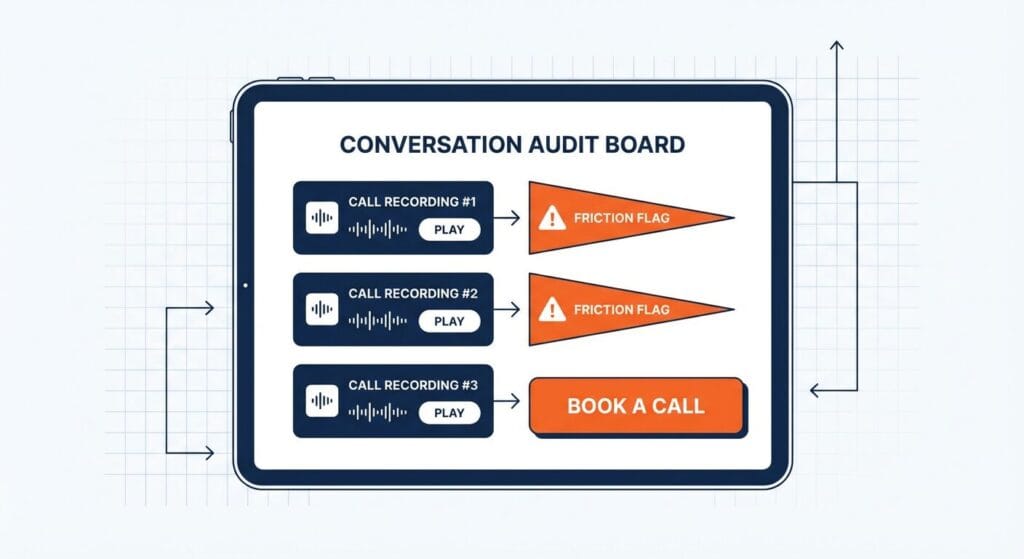
A conversation audit is a clean next step: review one or two recorded calls, map where trust drops, and rebuild the flow around emotional alignment, silence, and structure. The output is a prioritized fix list your team can implement immediately.
If you want that outside CRO lens, use the Book a call Button and bring a recording, your current agenda, and the exact “next step” you ask for today.

Hi, I’m Ayan Wakil, the founder & CEO of Ayeans Studio.
Check out these and many other tips in our blog!

We provide services that successfully satisfy your Business Objectives
Ayeans Studio is a German-based Video Production Company, all set to deliver our pride services to US-based Clients