
Trust is lost before the pitch even starts.
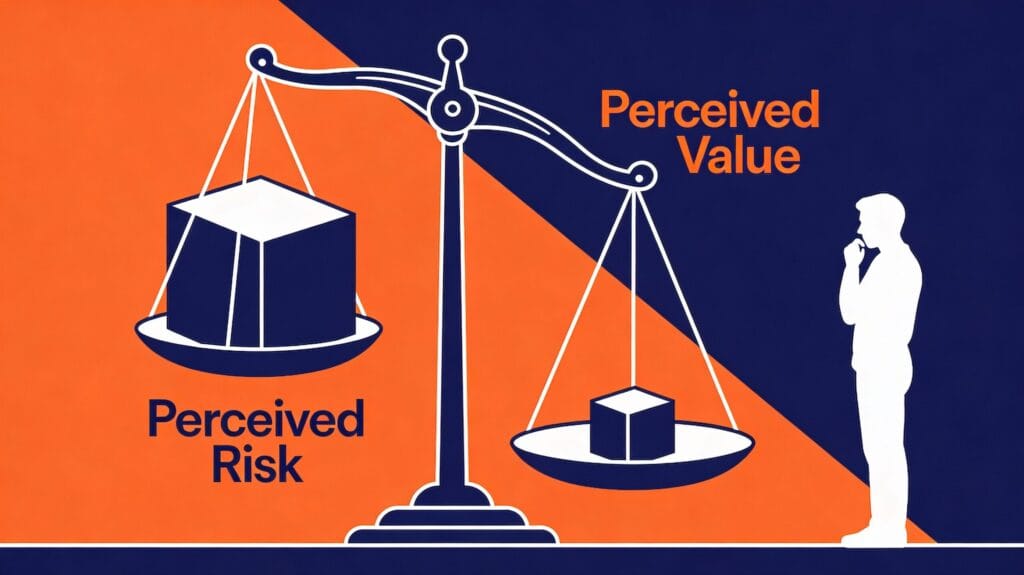
Your product solves real problems. Your customers love it. Your case studies are legitimate. Yet prospects ghost you, dodge calls, and treat your outreach like spam. The disconnect isn’t about value, it’s about buyer trust in sales evaporating at first contact.
Working as a fractional CRO across seven companies, I’ve watched this pattern destroy perfectly good businesses. Founders obsess over features while their prospects sense risk at every touchpoint. The trust gap kills deals before conversations begin.
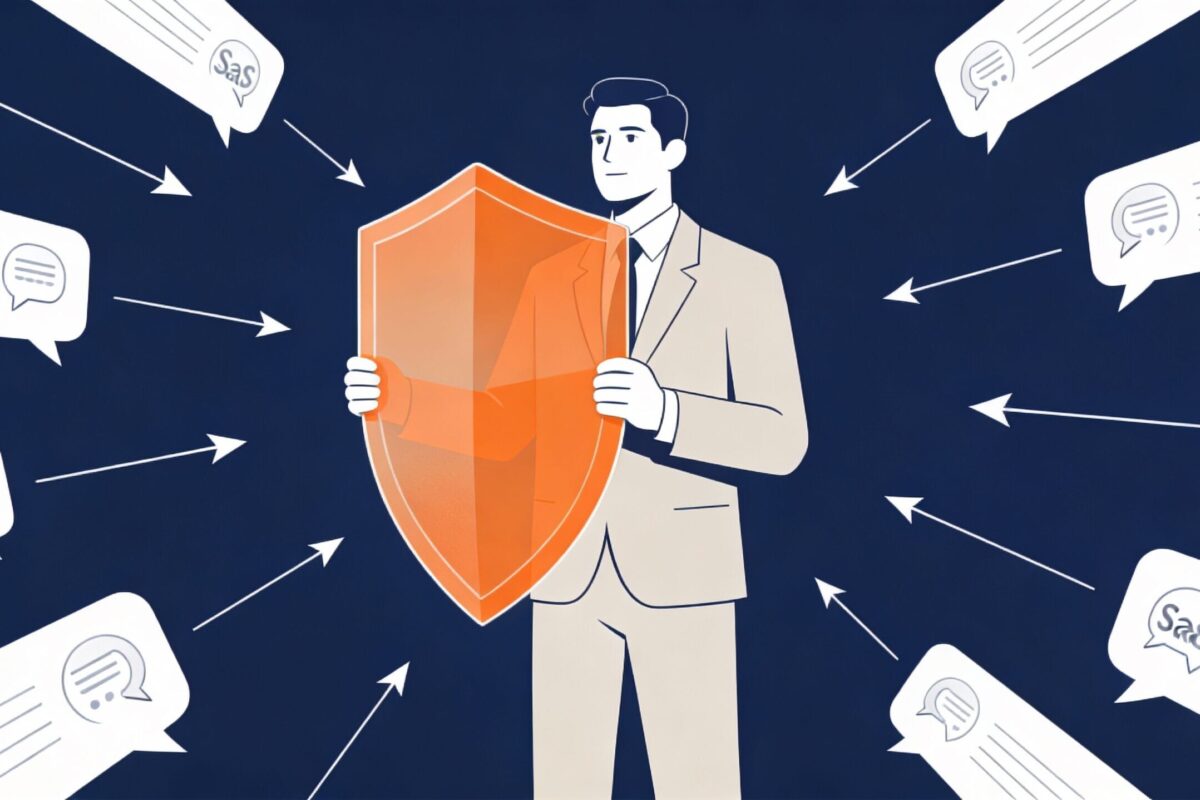
Your prospects live in a state of defensive skepticism.
They’ve been burned by vendors who overpromised. They’ve wasted budget on solutions that didn’t deliver. Now they approach every sales interaction like a minefield.
When you lead with value props, they hear risk. When you share case studies, they assume cherry-picking. When you offer a demo, they sense a trap.
This isn’t cynicism, it’s pattern recognition. The average B2B buyer has sat through 17 vendor pitches that ended in disappointment. They’ve learned that enthusiasm correlates with exaggeration.
Your messaging might be honest. Your product might be exceptional. But you’re fighting their accumulated scar tissue from every vendor who came before you.
The symptom looks like price objections or timing excuses. The disease is absent buyer trust in sales relationships.
Three months ago, a SaaS founder asked me to fix his close rate. His team was booking calls but losing 80% at proposal stage. He wanted better sales scripts.
I looked deeper. The problem started much earlier.
His prospects arrived at calls already skeptical. They asked defensive questions. They withheld information. They treated the sales team like adversaries, not advisors.
This pattern repeated across every company I work with:
Price wasn’t the blocker. Competition wasn’t winning. Trust was dead on arrival.
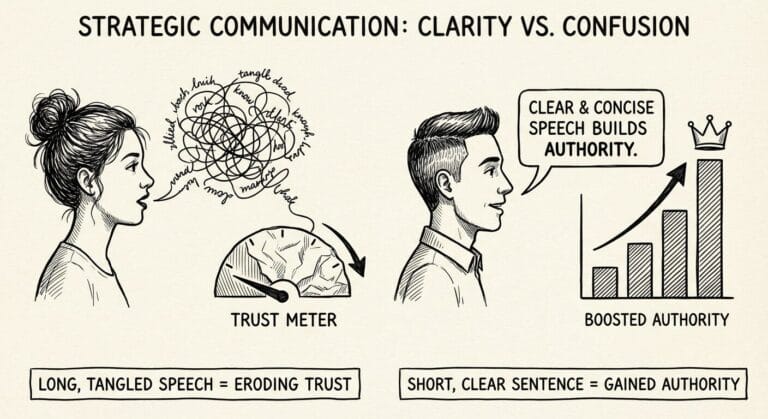
I mapped the trust erosion points across all seven companies. The data was revealing. Trust didn’t die in one moment, it bled out through a thousand small cuts. Generic LinkedIn messages. Vague website copy. Pushy follow-ups. Each interaction subtracted credibility.
One CEO put it perfectly: “We’re trying to build relationships on quicksand.”
Trust isn’t built through claims. It’s built through demonstration.
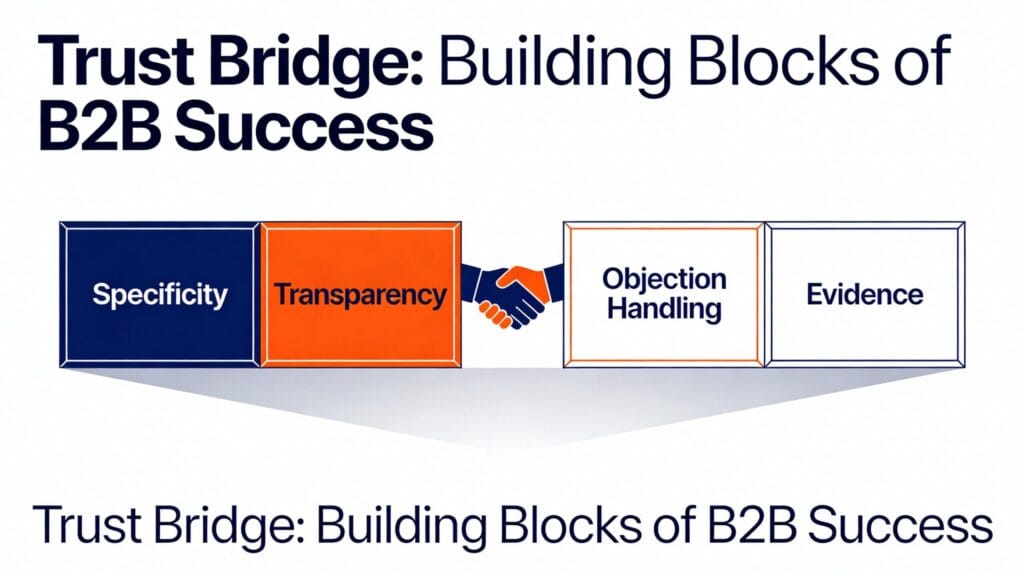
Here’s the framework that’s driving 20-30% conversion improvements across my client base:
1. Specificity Over Superlatives Replace “best-in-class solution” with “reduces invoice processing from 6 days to 2 days.” Specificity signals expertise. Superlatives signal desperation.
2. Process Transparency Show exactly how you work before they ask. Mystery creates suspicion. Clarity creates confidence.
3. Preemptive Objection Handling Address their concerns before they voice them. This demonstrates you understand their world, not just your product.
4. Evidence Architecture Structure proof points strategically throughout the journey, not dumped in a case studies page. Each touchpoint needs its own trust builder.
When we restructured an eCommerce platform’s revenue system around these principles, their demo request rate jumped 40%. Same traffic, same product. Just strategic trust architecture.
The key insight: buyer trust in sales isn’t earned through persuasion. It’s earned through clarity and consistency.
The transformation is measurable and immediate.
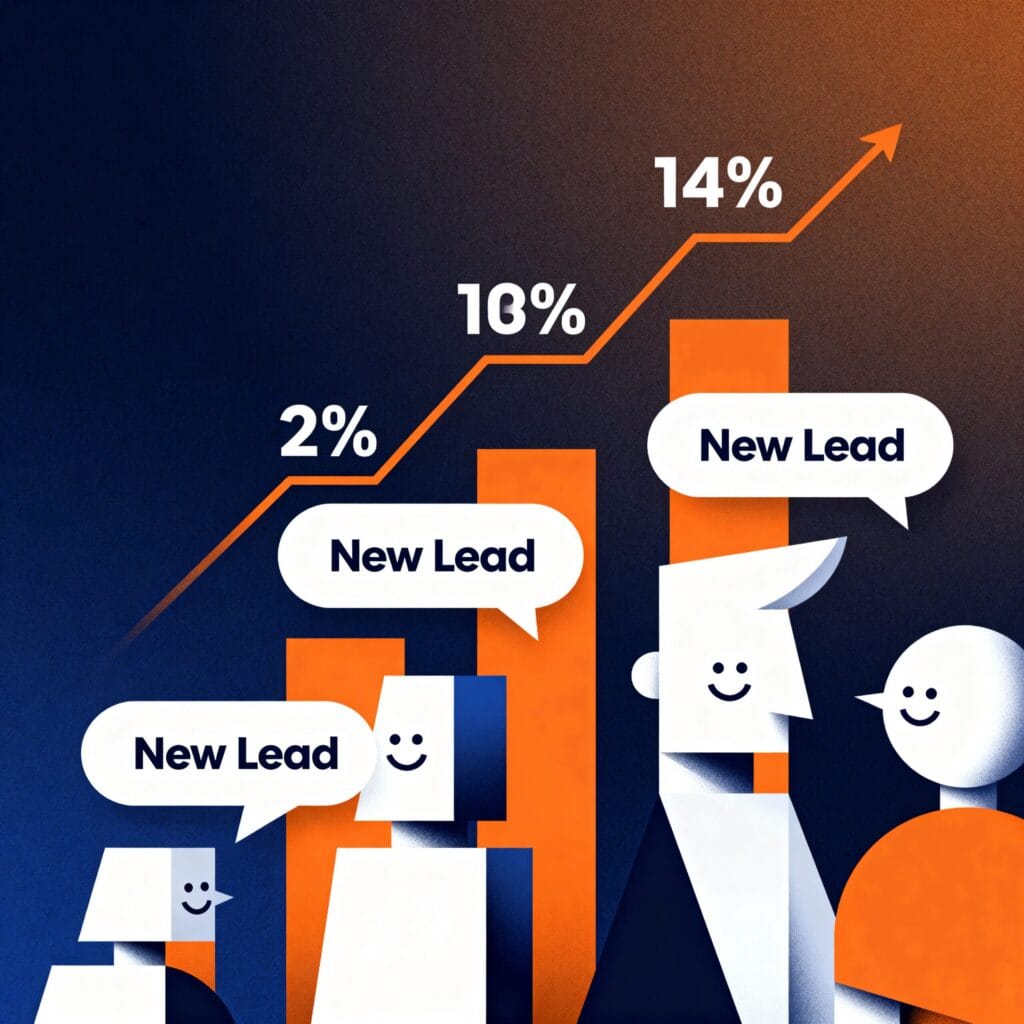
One B2B services firm went from 2% cold email response rates to 14%. Not through better templates, through trust signals embedded at every touchpoint. Their prospects stopped seeing vendor outreach and started seeing expert guidance.
A SaaS company reduced their sales cycle by 35 days. Prospects stopped stalling because they stopped doubting. Conversations shifted from interrogations to collaborations.
These aren’t special cases. Every company I’ve implemented this framework with sees similar jumps. The pattern is consistent: when trust exists, friction disappears.
The most telling metric? Prospects started sharing internal problems they’d normally hide. That only happens when defensive walls come down.
Here’s what most companies miss about demonstration.
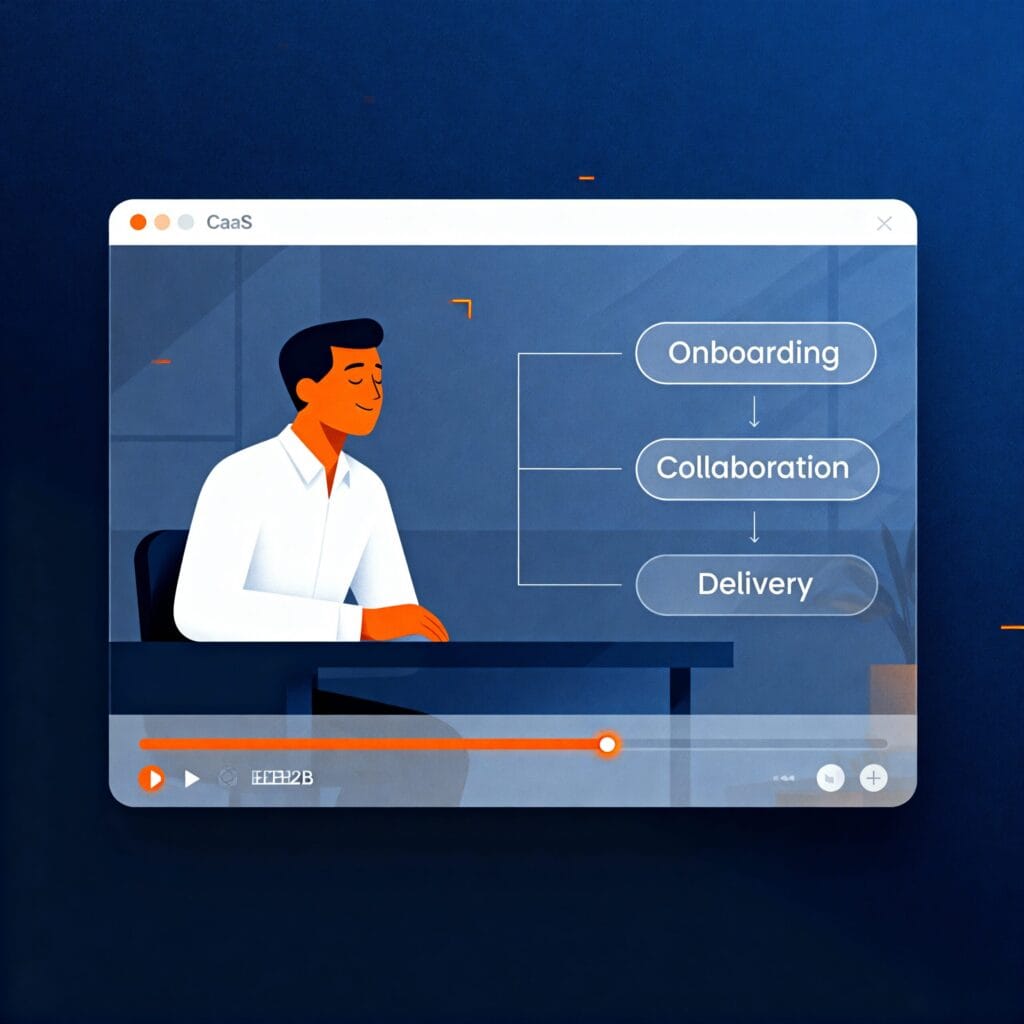
Telling prospects you’re different triggers skepticism. Showing them how you work builds confidence. This is where strategic video becomes trust infrastructure, not marketing decoration.
A 90-second explainer video can establish more credibility than a 20-page proposal. Not because it’s flashy, but because it demonstrates competence through clarity. Prospects see your thinking, not just your claims.
I’ve watched demo videos eliminate entire stages of the sales cycle. Prospects arrive educated instead of suspicious. They ask implementation questions instead of qualification questions.
One enterprise client embedded a simple process video in their outreach sequence. Their meeting acceptance rate doubled. The video didn’t sell, it demonstrated expertise through transparency.
Visual proof isn’t about production value. It’s about strategic placement of clarity tools that build buyer trust in sales interactions before the first conversation.
If prospects aren’t responding, adding more features won’t help.
You have a trust architecture problem.
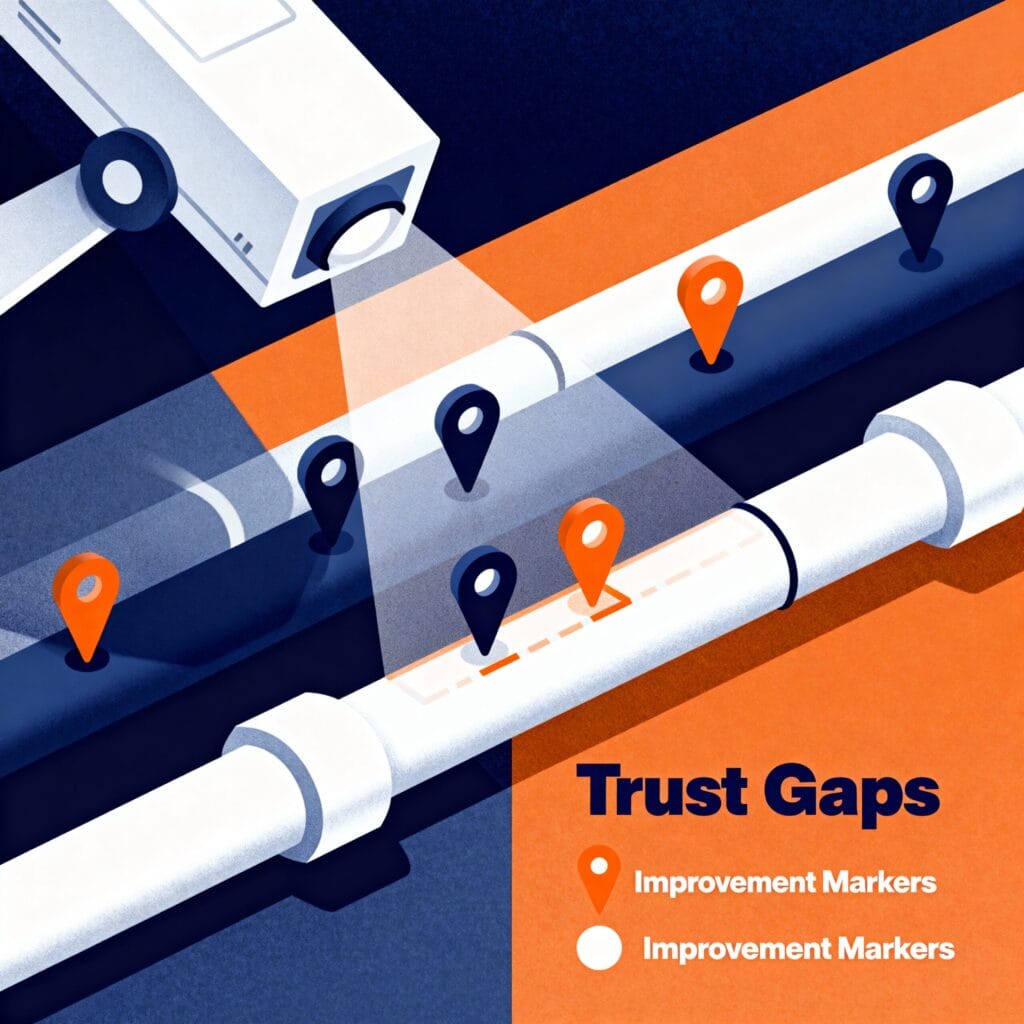
I offer trust-gap diagnosis calls for founders ready to fix their credibility crisis. This isn’t about sales tactics, it’s about identifying where trust erodes in your revenue system and building strategic fixes.
We’ll analyze your current trust signals, map prospect skepticism points, and design a clear path to trusted advisor status.
Book a trust-gap diagnosis if you’re tired of great products dying from credibility problems. Let’s fix the trust architecture before another prospect ghosts you.

Hi, I’m Ayan Wakil, the founder & CEO of Ayeans Studio.
Check out these and many other tips in our blog!


We provide services that successfully satisfy your Business Objectives
Ayeans Studio is a German-based Video Production Company, all set to deliver our pride services to US-based Clients