
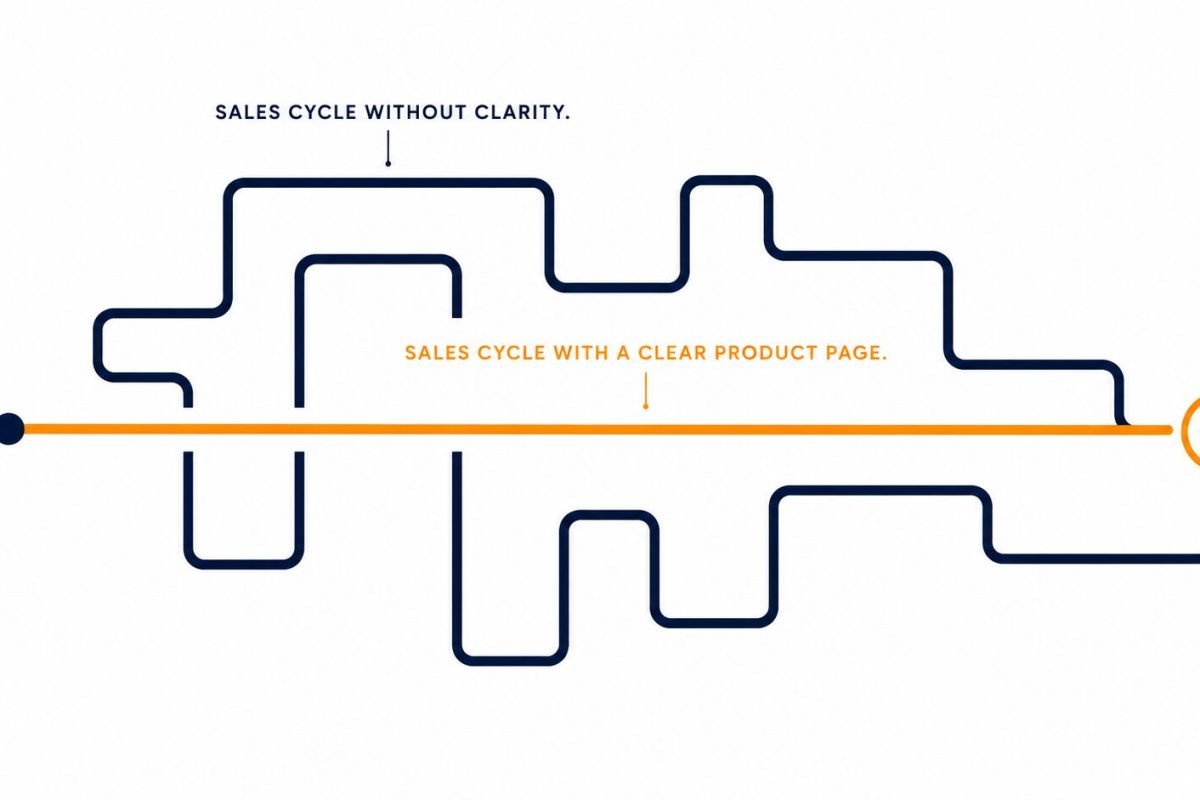
The real hidden cost of a confusing B2B product page is not lost visitors. It is the compounding cost of longer sales cycles and demo calls filled with prospects who did not understand what they were booking into.
A visitor who leaves immediately shows up in your bounce rate. A visitor who half-understood your product, booked a demo anyway, and then spent the first 20 minutes of the call asking questions your homepage should have already answered, that visitor is invisible in your analytics. But they are expensive.
The overall median B2B sales cycle across mid-market and enterprise now sits at roughly 4 to 5 months, up 20 to 30 percent from 2021. Sales cycles were 38 percent longer in 2024 compared to 2021. And 77 percent of buyers describe their most recent B2B purchase as very complex or difficult. saastr
Some of that is structural. Buying committees are larger. CFOs now gate most deals above a certain size. Procurement cycles are slower.
But some of it is a communication problem that shows up long before the first sales call. And that part is fixable.
Here is how a confusing product page extends your sales cycle in practice.
A prospect lands on your page. They understand enough to feel vaguely interested but not enough to know whether your product is actually relevant to their situation. They book a demo because it is the only available next step. They show up to the call with basic questions your homepage should have answered: what does this actually do, how is it different from what we already use, is this even for a company like ours.
Your sales rep answers those questions well. The prospect says “this is helpful, I need to share it internally.” They go back to their team and try to explain a product they still only half-understand.
89 percent of B2B buyers report a purchase deal stalled in the past year. saastr
That stall point, where the internal champion tries and fails to explain the product to the rest of the buying committee, is often where the deal quietly dies. Not dramatically. Just slowly, over weeks of follow-up emails that go unanswered.
AI products
An AI infrastructure company builds a tool that optimizes cloud spend using real-time inference. The product is technically sound. The homepage describes it in terms their ML engineers use internally.
The VP of Engineering who finds the product through a LinkedIn ad does not have an ML background. They understand “save money on cloud costs” and nothing else from the homepage. They book a demo. The first 15 minutes are spent on basics. The deal sits in “evaluating” for two months while the VP tries to explain it to a skeptical CFO.
DevOps tools
A platform monitoring company builds a tool that consolidates observability across distributed systems. Their product page uses terms like “distributed tracing,” “telemetry pipelines,” and “cardinality management.”
The Head of Engineering at a 60-person company needs exactly this. But they are evaluating eight tools. The one whose product page makes them feel understood in 30 seconds gets the demo call with genuine intent. The others get ghost demos from people who were not really sure why they booked.
Cybersecurity SaaS
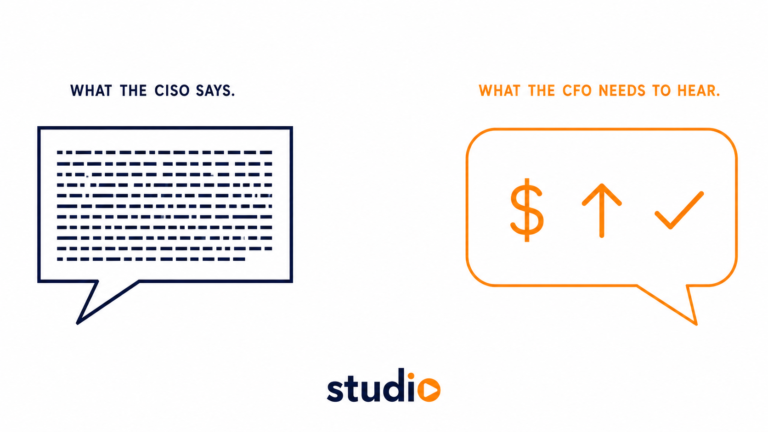
Cybersecurity has the longest average sales cycles in SaaS, running 7 to 14 months at enterprise level. A significant part of that is the communication gap between the CISO who evaluates the product and the CFO who approves the spend.
A confusing homepage is not just a top-of-funnel problem here. It is a mid-funnel problem. It means the internal champion has no shareable asset that explains the product clearly to the budget approver. The deal stalls not because the CISO stopped believing in the product, but because the CFO never understood it well enough to sign off.
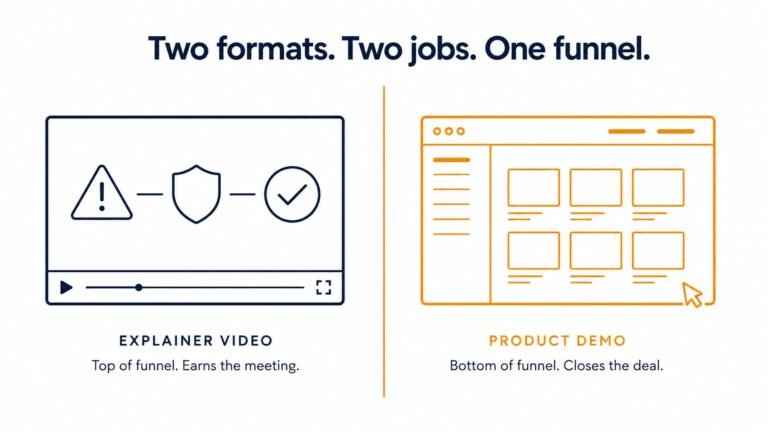
A 60-second animated video on your product page does something the homepage copy alone rarely achieves.
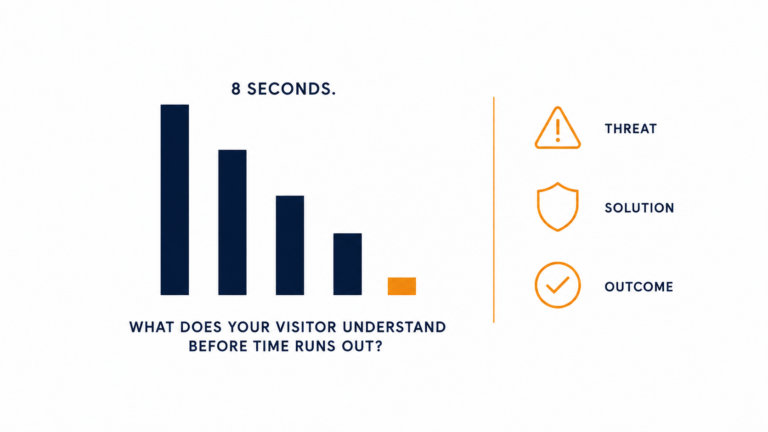
It shows the problem your product solves, the product responding to it, and the outcome, before a visitor decides whether to book a demo. The prospect who watches it arrives to the demo already understanding the basics. The first 15 minutes of the call become a product discussion, not an explanation session.
More importantly, that same video becomes the shareable asset the internal champion sends to the CFO, the COO, or the board member who was not on the demo call. Instead of retelling the product story imperfectly, they forward 60 seconds of clarity.
When both teams share the same view of an account and the qualification criteria are clear, handoffs get cleaner and the leads that make it through actually close. A video does this at the prospect level. It aligns what the visitor understood before the call with what the sales rep covers during it.
You can see how this approach works for complex technical products at ayeansstudio.com/portfolio.
If your demo calls regularly start with basic product explanation, your product page is creating the problem your sales team is paying to fix.
The fix is not a longer product page. It is a clearer one, with a short video that closes the comprehension gap before a visitor ever reaches your sales team’s calendar.
If you want to talk through what that looks like for your specific product, book a free 15-minute call here. I will tell you honestly whether the gap is in your page, your copy, or somewhere else entirely.
A confusing product page does not end a deal. It just makes sure the deal takes three months longer to close, or does not close at all.
Ayan Wakil
The mechanism is indirect but compounding. A visitor who partially understands your product books a demo out of vague curiosity rather than genuine intent. That demo starts with basic explanation rather than real evaluation. The prospect leaves the call needing to share what they learned internally, but they only half-understood it themselves, so their retelling is incomplete. The internal stakeholders ask questions the champion cannot answer. The deal stalls while everyone waits for more information. B2B buyers now do 4 to 5 pieces of independent research before ever contacting sales. If none of that research yields a clear answer about your product's value, the deal simply takes longer. A clear product page with a short video short-circuits this by creating understanding before the demo rather than during it.
It is one of the main reasons, alongside targeting issues and broad outreach. The distinction matters: a poorly targeted lead was never a good fit. An unqualified demo from a potentially good-fit prospect is different. That person could have been a real buyer but they booked without enough understanding to know whether you were right for them. The demo stage is where the most volume drops out of pipeline, with 42 to 58 percent conversion. A poorly prepared prospect contributes to that drop-off. The fix here is not stricter qualification gates. It is giving the prospect enough information before they book that the call itself starts with mutual understanding of fit.
Both, but for slightly different reasons. At enterprise level, the issue is the internal champion trying to explain a complex product to a buying committee of 6 to 10 people. At smaller company level, the issue is often a founder or head of department evaluating tools quickly across multiple vendors. They give each homepage 30 to 60 seconds. If yours does not clearly communicate what you do and who you do it for in that window, they move to the next option. 75 percent of B2B buyers say they are taking longer to make purchase decisions than they did previously. Shorter attention spans at the research stage combined with longer overall buying cycles means the product page has to do more work than it ever did before. saastr
Hard to calculate precisely because the cost of a longer sales cycle is distributed and invisible. But the directional math is clear. If your average deal is worth $30,000 and a clearer product page shortens the average cycle by one month for 10 deals per year, that is $300,000 in revenue landing a month sooner, which affects cash flow, team capacity, and forecast accuracy. If it also reduces the number of unqualified demo calls your sales team takes by 20 percent, that is meaningful hours returned to the team for higher-intent prospects. The investment in a 60-second explainer video, typically $1,500 to $5,000, is small relative to either effect.

Hi, I’m Ayan Wakil, the founder & CEO of Ayeans Studio.
Check out these and many other tips in our blog!