
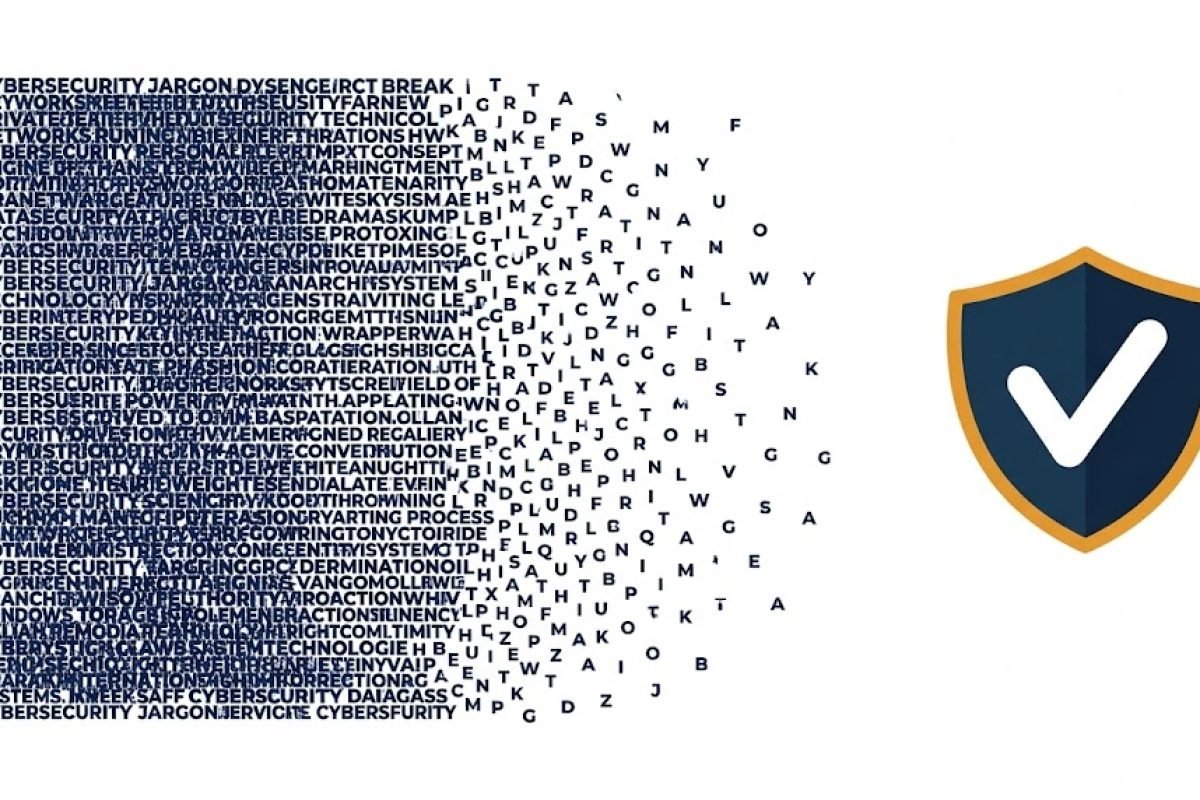
The real fix for cybersecurity communication is not simpler words. It is translating the outcome your buyer needs to feel, not the mechanism your engineers built.
A CFO does not need to understand endpoint telemetry. They need to understand what happens to their company if endpoint telemetry is not working. That is a completely different sentence. And most cybersecurity product pages never write it.
A 2025 study from researchers at NIST and North Carolina State University found that non-experts frequently have incomplete mental models of cybersecurity and often misinterpret terms that security professionals consider basic. Thirty non-experts were interviewed across different age groups and education levels. The finding was blunt: experts struggle to explain cybersecurity in language and tone appropriate for non-expert audiences.
This is not a literacy problem. These are smart people. The issue is that cybersecurity language was built inside a specific community and it carries assumptions that people outside that community do not share.
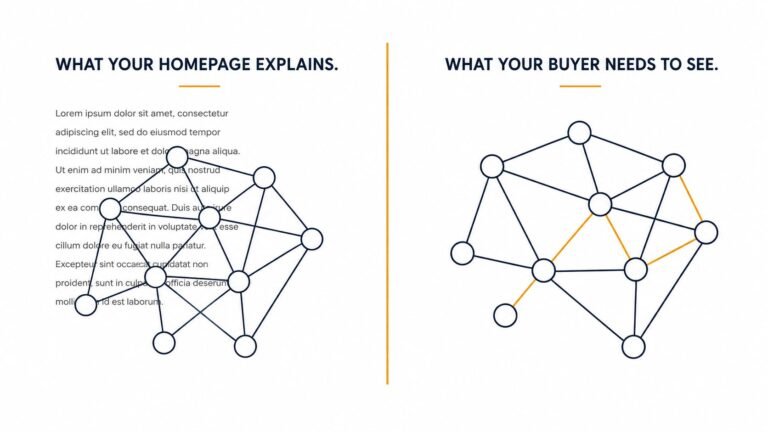
When you write “behavioral anomaly detection” on your homepage, you are not being clear. You are being precise for one audience while being meaningless to another.
Take any technical claim on your homepage and ask: what does this mean for the business if it fails?
“Continuous identity verification” is the feature. The outcome is: an attacker using stolen credentials gets stopped before they reach anything sensitive. Your team never knows the threat was there.
Write the second sentence, not the first.
Example: a cloud security company replaced “automated misconfiguration detection across your cloud environment” with “we catch the settings errors that leave your data exposed before a real attacker finds them.” Same product. One sentence a CFO can repeat to their board.
You do not have to explain how the product works. You have to show what changes.
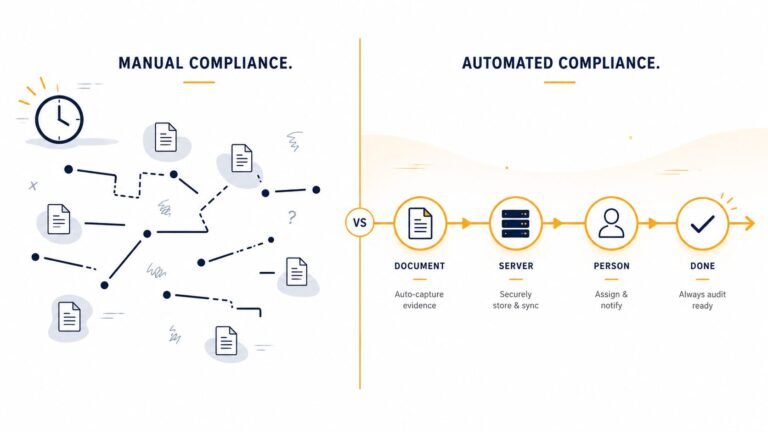
Before: your team discovers a breach two weeks after it started. After: the system flags the activity in minutes. No jargon required. No acronyms. The viewer understands the value without needing to understand the architecture.
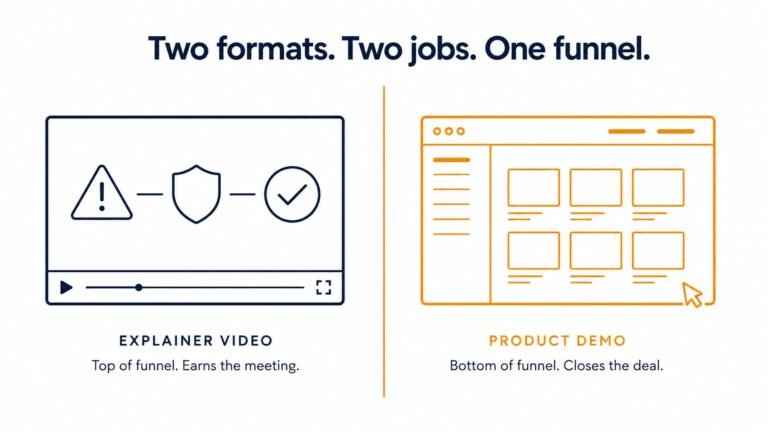
This is exactly why animation works where copy often fails. A 60-second video can show an attacker moving through a network, the system flagging it, the threat stopped, all without the words “lateral movement” or “SIEM” appearing once. The accuracy stays intact because the behavior is shown correctly. The simplicity stays intact because no translation is required from the viewer.
Example: one cybersecurity company I looked at recently replaced a 200-word feature description with an animated 45-second video showing the same threat scenario. The video required no prior knowledge to follow. The feature description required a glossary.
You can see how this visual translation works across complex technical products at ayeansstudio.com/portfolio.
Non-technical buyers are not afraid of “advanced persistent threats.” They are afraid of reading about their company in a breach disclosure. They are afraid of their customers calling to ask what happened to their data. They are afraid of a board meeting where someone asks why this was not caught.
Name those fears instead of the technical category that causes them.
Example: instead of “ransomware protection,” try “if your systems get locked and someone demands payment to unlock them, we stop that before it starts.” Longer, yes. But it creates a reaction in a non-technical reader that “ransomware protection” does not.
Here is the honest part.
Technical language feels safer because it is defensible. Every word is accurate. The engineering team signs off on it. Nobody gets blamed for being wrong.
Plain language feels risky because it involves choices. You have to decide what to leave out. You have to trust that the outcome matters more than the mechanism. And if a prospect misunderstands something, the simpler version gets blamed.
There is a well-documented gap where vendors keep adding complexity to the security buyer’s experience, without understanding that simplicity is the goal. The companies that accept that risk and write for their buyer anyway are the ones closing deals faster.
If your security product homepage uses terms your buyer has to Google after closing the tab, that is the gap.
I work specifically with cybersecurity SaaS companies to close it. Not through better copy alone, but through 60-second animated videos that show the product story in plain English without losing the technical accuracy your team needs.
Book a free 15-minute call here and I will tell you honestly whether your homepage is losing non-technical buyers and what one video would change.
Your buyer is not confused because they are inattentive. They are confused because the page was never written for them.
Ayan Wakil
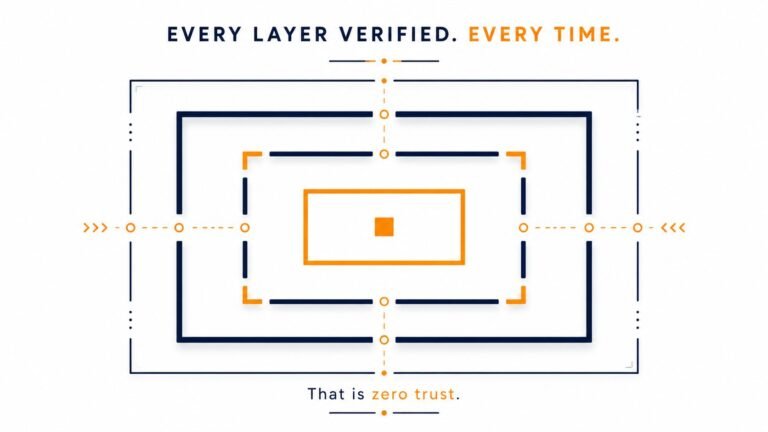
The trick is separating the mechanism from the outcome. You do not have to explain how zero trust works. You have to explain what a company avoids by using it. Non-experts often have incomplete mental models of cybersecurity and misinterpret terms that professionals consider basic, which means the explanation has to meet them at the outcome level, not the technical layer. Analogies help, but only when they are accurate enough not to mislead. "A firewall is like a security guard" is useful. "Zero trust means we don't trust anyone" is oversimplified to the point of being wrong. The goal is accuracy at the outcome level, not at the architectural level.
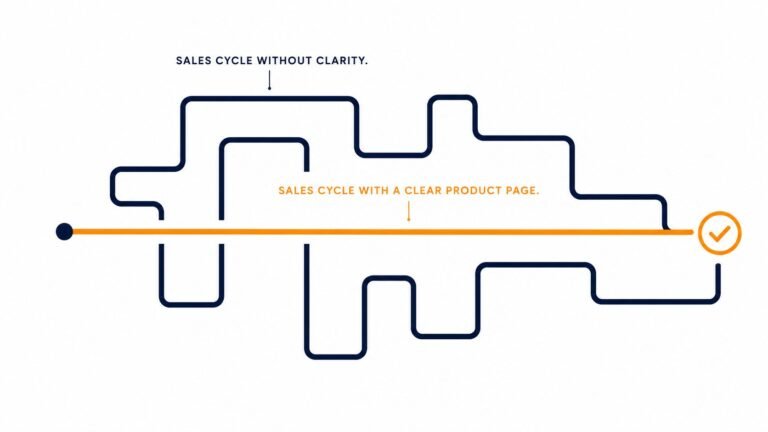
Probably because the explanation was built for an audience that already understands the category. This is one of the most common patterns in cybersecurity B2B sales. Cybersecurity vendors keep adding complexity to the security buyer experience while buyers want simplicity. When your explanation assumes prior knowledge the buyer does not have, they nod politely and leave confused. The fix is not explaining more slowly. It is starting from a different place entirely: the business consequence, not the technical solution.
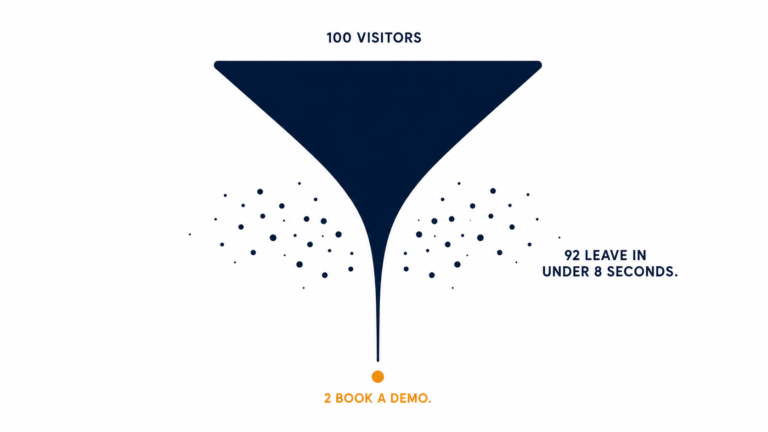
Yes, it is worth it. And no, simplicity does not make the product look less serious. It makes it look more confident. The companies that can explain complex things simply are the ones that actually understand what they are selling. The companies that hide behind jargon are often the ones whose teams cannot agree on a one-sentence description of their own product. Simplicity signals mastery, not shallowness. The technical depth belongs in your documentation and demo. Your homepage has eight seconds to create understanding, not demonstrate expertise.
Three things. What happens to the business if the threat your product addresses is not handled. What it costs to ignore it versus what it costs to fix it. And what a successful outcome looks like in 90 days that they can point to. They do not need to understand the architecture. They do not need to know the difference between EDR and XDR. They need to understand the business risk in financial and operational terms and feel confident that buying your product reduces it. If your marketing is not answering those three questions in plain language, you are writing for your CISO and hoping the CFO follows along.

Hi, I’m Ayan Wakil, the founder & CEO of Ayeans Studio.
Check out these and many other tips in our blog!
We provide services that successfully satisfy your Business Objectives
Ayeans Studio is a German-based Video Production Company, all set to deliver our pride services to US-based Clients