
The founder was three minutes into the demo when it happened.
The CFO on the other side of the screen stopped nodding.
Not visibly. Not rudely. Just that barely perceptible shift where someone’s eyes go slightly still. Where you can see them still looking at the screen but no longer really seeing it.
The founder kept talking. Walked through the dashboard. Explained the threat detection logic. Showed the response workflow.
The CFO said “this looks interesting” at the end.
They never replied to the follow-up email.
I have heard this story from more cybersecurity founders than I can count. Different companies. Different products. Same moment. The moment the explanation lost the room.
Every SaaS product has some explaining to do. But cybersecurity sits in a category of its own.
The technology is genuinely complex. The threats it protects against are invisible. The outcomes it delivers are things that did not happen, breaches that were stopped, attacks that never landed.
How do you sell the absence of something bad?
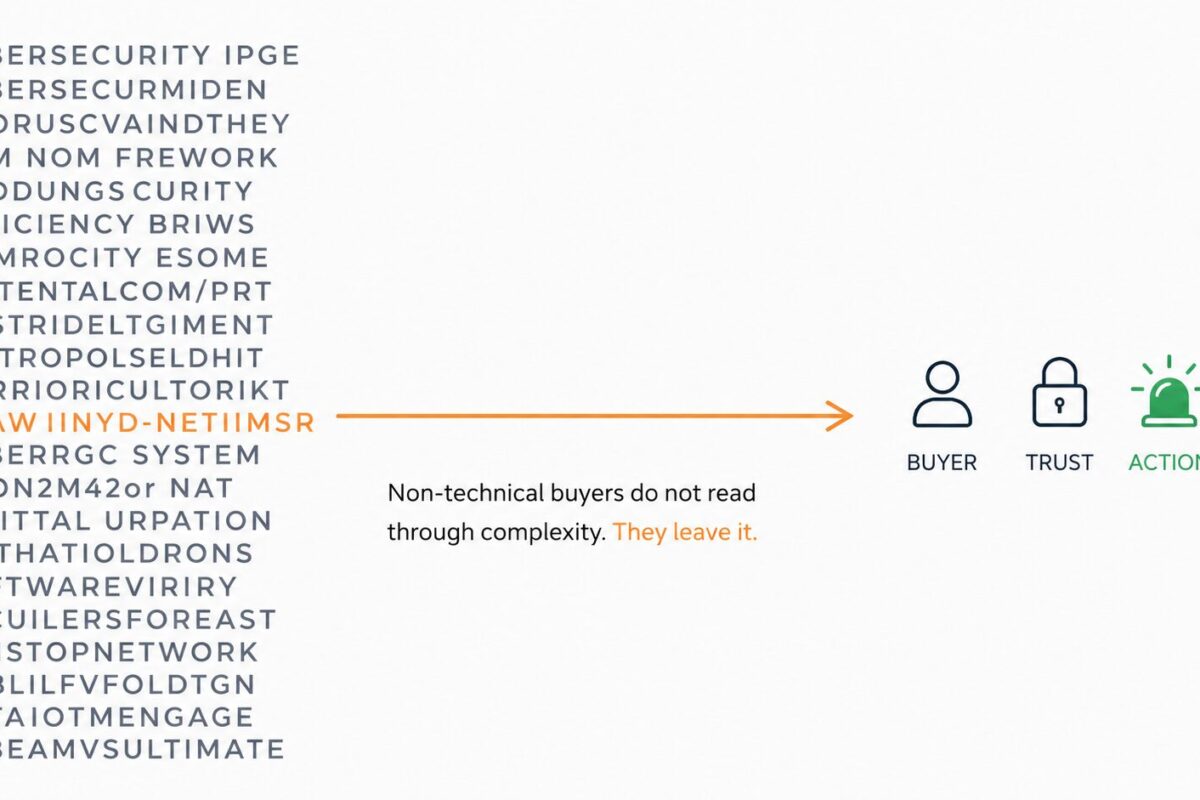
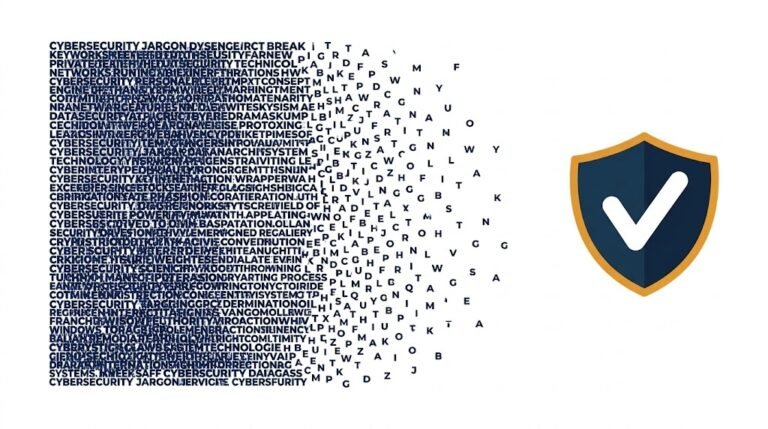
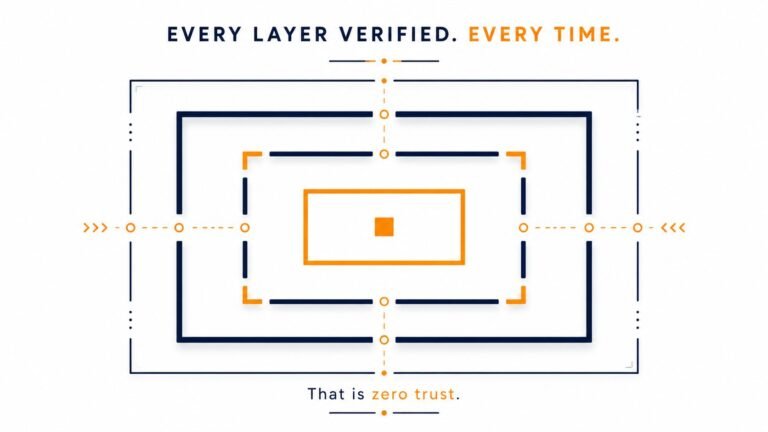
The language that grew up around cybersecurity was built by engineers for engineers. Zero trust. Lateral movement. Attack surface. Behavioral anomaly detection. These terms are precise and meaningful inside a security team.
They mean almost nothing to the CFO controlling the budget.
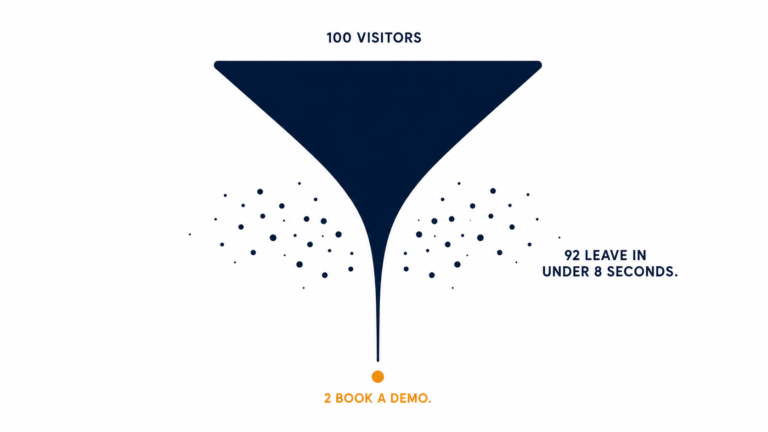
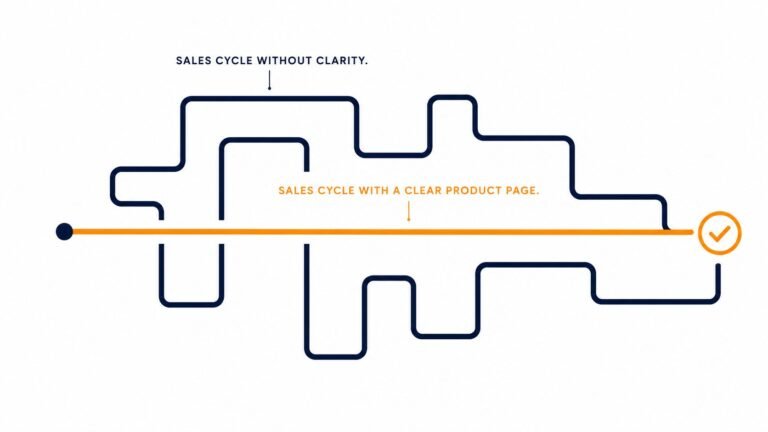
And that gap is not a small problem. It is the reason deals stall, sales cycles stretch to nine months, and perfectly good products lose to competitors who are simply easier to understand.
Here is something most cybersecurity companies get wrong in their marketing.
They write for the CISO. The CISO is the technical evaluator. But the CISO rarely approves the budget alone.
The real decision involves a CFO who thinks in financial risk. A COO who thinks in operational continuity. A CEO who thinks in reputation and liability. Sometimes a board that thinks in none of the above.
These people do not need to understand your product technically. They need to feel three things.
They need to feel that the threat is real and that ignoring it has a cost. They need to feel that your product actually solves that threat in a way they can explain to someone else. And they need to feel confident enough in that understanding to say yes in a room where you are not present.
If your product explanation does not create those three feelings in a non-technical buyer, the deal will stall regardless of how good the technology is.
The first mistake is leading with the mechanism instead of the outcome.
Most cybersecurity homepages and pitch decks open with how the product works. The architecture. The detection logic. The integration layer. This is the information your engineering team is most proud of. It is also the information your CFO cares about least. A non-technical buyer does not need to understand how you stop the threat. They need to understand what happens to their business if you do not.
The second mistake is using technical terms without translation.
I visited a cybersecurity company’s website last month that used eleven technical acronyms in the first two paragraphs. Not one of them was explained. The assumption was that the reader already spoke the language. But the person with budget authority at a forty-person company is not always fluent in security terminology. Every unexplained term is a small moment of friction. Enough of them and the buyer stops trying.
The third mistake is treating clarity as dumbing down.
I hear this one often. Founders resist simplifying their explanation because they are afraid it will make the product seem less sophisticated. The opposite is true. The hardest thing in communication is taking something genuinely complex and making it instantly clear to someone with no prior knowledge. That is not dumbing down. That is craft. And buyers trust it more, not less.
Here is the same product explained two different ways.
Version one: “Our platform provides continuous behavioral monitoring across your endpoint and cloud environment, detecting anomalous activity patterns that indicate potential compromise before exfiltration occurs.”
Version two: “We watch everything happening inside your company’s systems. The moment something starts behaving strangely, we catch it and stop it. Before any data leaves.”
Same product. Same capability. Same technical accuracy.
One of those versions a CFO reads and moves on. One of those versions a CFO reads and leans forward.
The difference is not intelligence. The difference is who the explanation was written for. Version one was written to satisfy the technical team that reviewed it. Version two was written to create understanding in the person reading it for the first time.
This is the shift that changes everything. Stop writing for approval. Start writing for comprehension.
There is a specific reason a 60-second animated video communicates what three paragraphs cannot.
Text requires the reader to build a mental picture on their own. Every sentence is an instruction to imagine something. For a technical product that protects against invisible threats, that is an enormous amount of cognitive work to ask of a non-technical buyer.
Video builds the picture for them.
A 60-second animation can show a threat entering a network. Show the system detecting it. Show the threat stopped. Show the team protected. All without using a single technical term. The viewer does not have to imagine anything. They see it happen.
That visual experience creates understanding in under a minute that a webpage of copy cannot create in five.
You can see how this works for complex technical B2B products at ayeansstudio.com/portfolio.
The companies that close faster are not always the ones with the best product. They are the ones whose product is easiest to understand in the first sixty seconds.
Most cybersecurity products are not losing deals because the technology is weak.
They are losing deals because the explanation was built for the team that created the product, not the people being asked to buy it.
Fixing that gap does not require a new product. It does not require a new marketing strategy. It requires one honest look at your explanation through the eyes of someone who has never heard of your company.
If your product takes longer than sixty seconds to explain and still leaves a non-technical buyer with questions, something in the communication is broken.
Book a free 15-minute call here and I will tell you exactly where your explanation is losing people and what one video could change.
Your product is not too complex to explain clearly. It has just never been explained for the right person yet.
Ayan Wakil
This comes up constantly in r/sales and r/cybersecurity forums. The issue is not what happens on the call. It is what happens after it. Your sales team is not in the room when your champion is trying to explain the product to their CFO two weeks later. If the only clear explanation of your product lives inside a one-hour demo that only one person attended, you have a fragility problem in your sales process. Simplified messaging gives your champion a tool they can use when you are not there.
Yes. And you do not have to choose between the two. The CISO evaluates technical merit. The CFO approves the budget. Both are in the buying committee and both need to understand the product, just differently. The goal is not to replace your technical documentation. It is to add a layer of explanation that works for every stakeholder in the room, not just the most technically fluent one. A 60-second video can do both simultaneously.
This is one of the most honest questions I see from cybersecurity founders. The fear is real. The answer is in the structure. Simplicity is not vagueness. "We stop attacks before your team notices them" is simple and specific and impressive. "Advanced persistent threat mitigation across hybrid infrastructure" is technical and vague and forgettable to a non-technical reader. Specificity saves you from sounding weak. Jargon does not make you sound stronger. It just makes you harder to understand.
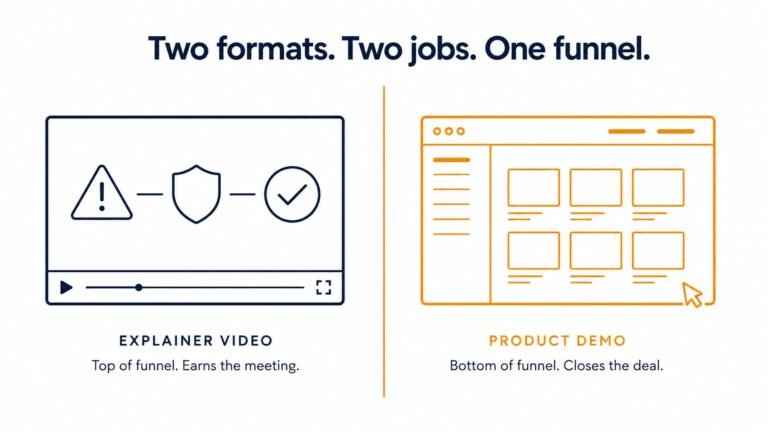
This debate shows up regularly in B2B marketing LinkedIn threads. The short answer is both. At the top of funnel, video helps unfamiliar buyers understand your category and your product quickly. Inside the sales cycle, video becomes a tool your champion can forward to stakeholders who were not on the calls. Gartner data shows buyers spend 83 percent of their purchase journey away from vendors. A shareable video works during that 83 percent in a way that no sales rep can.
Every founder of a complex product believes their product is the exception. In five years of making explainer videos for technical B2B companies, I have never encountered a product that could not be communicated clearly in 60 seconds at the outcome level. The key word is outcome level. You are not explaining how the product works in 60 seconds. You are explaining what problem it solves and what life looks like after. That story is always tellable in under a minute. The technical depth lives in your documentation, your demo, and your sales conversation. The 60-second video just makes sure the buyer shows up to those conversations already understanding why they should care.

Hi, I’m Ayan Wakil, the founder & CEO of Ayeans Studio.
Check out these and many other tips in our blog!
We provide services that successfully satisfy your Business Objectives
Ayeans Studio is a German-based Video Production Company, all set to deliver our pride services to US-based Clients