a 20-Minute Sales Pitch

How One 60-Second Video Replaced a 20-Minute Sales Pitch

Marcus had done this call eight times already that month.

He was the co-founder of a cloud identity security company. Thirty employees. Real product. Real customers. Genuine technology that stopped credential-based attacks before they spread.

And every single first call went the same way.

He would open the slide deck. Slide two was the problem statement. Slide three was the market context. Slide four was the product overview, which had a network diagram that he always had to explain because nobody ever understood it at first glance. By slide six he was twenty minutes in, and the prospect was still asking the question he dreaded most.

“So what exactly does it do?”

He would answer it. Patiently. Clearly. As simply as he could.

The prospect would nod. Say something like “that makes sense” in a tone that suggested it did not fully make sense. They would agree to a follow-up call. Marcus would send a recap email with three paragraphs of explanation. The prospect would read it, feel vaguely more informed, and then fail to explain it properly to their CFO when the time came.

Half the deals stalled at exactly that point.

He had started to dread the first call. Not because he did not believe in the product. Because he knew exactly how the next twenty minutes would feel.

———————————————————————————————–

Something shifted after a conversation with his head of marketing.

She said something simple that stuck with him. “If it takes twenty minutes to explain, we have not figured out what we are actually selling yet.”

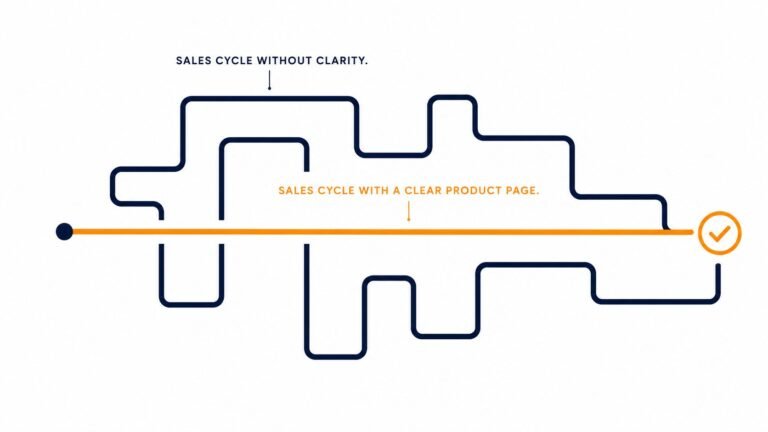
She was right. The twenty-minute explanation was not just a sales problem. It was a clarity problem. The product did something specific and valuable. But the company had never been forced to distill it into its simplest possible form.

They decided to make a 60-second animated explainer video. Not a product demo. Not a recorded walkthrough. A story. Something that could live on the homepage and be sent before every first call.

The brief was simple. Show the threat. Show the product responding. Show the outcome. Do it without using a single technical term that a non-technical buyer would have to Google.

No acronyms. No architecture diagrams. No feature lists.

Just the story of a problem being solved.

———————————————————————————————–

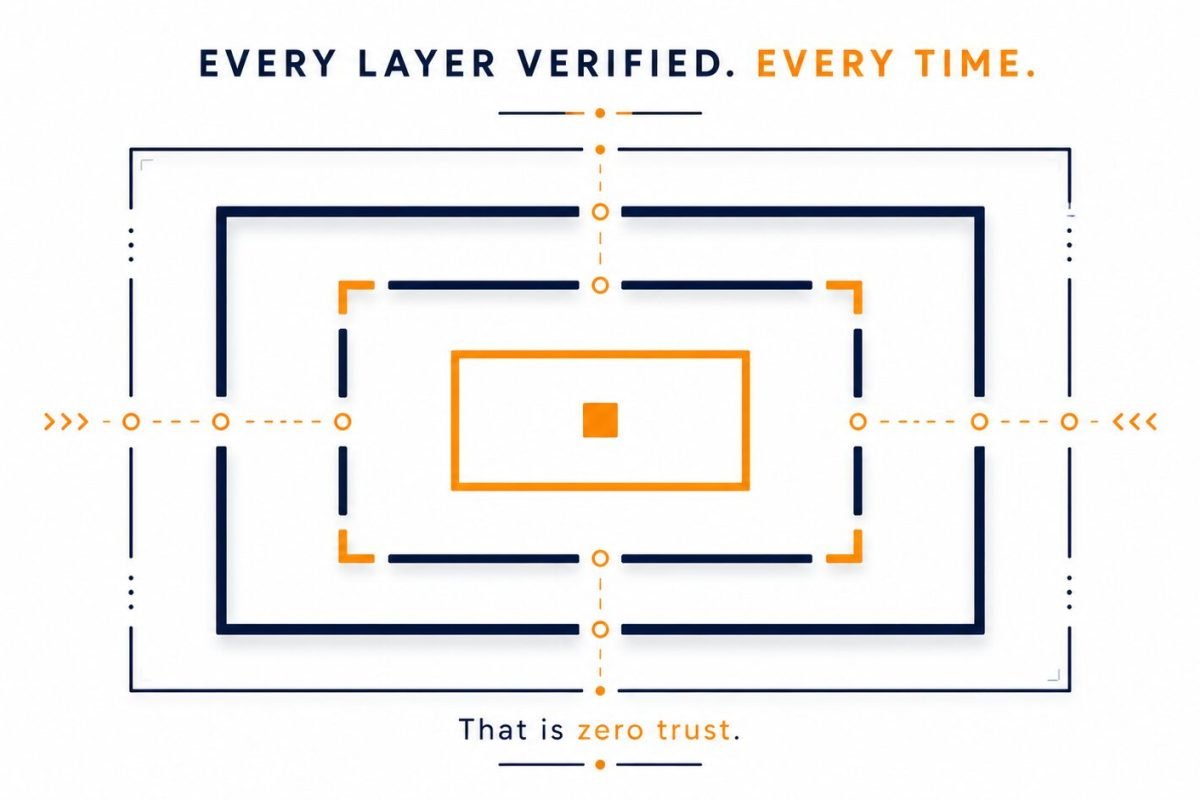
The video opened with a familiar scene. A mid-sized company. Employees working remotely. One set of stolen credentials. An attacker moving quietly through the system, going undetected, approaching sensitive data.

Then the product stepped in. Silently. Automatically. It noticed the behavior was wrong even though the credentials were right. It stopped the movement. It flagged the session. The attacker was blocked before a single file was touched.

The final frame showed the team continuing to work. Safe. Uninterrupted. Completely unaware of how close it had come.

Sixty seconds. No jargon. No slides. No network diagrams.

You can see how this kind of visual storytelling works for complex technical products at ayeansstudio.com/portfolio.

Marcus sent the video to the next five prospects before their first calls.

The difference was immediate.

Prospects arrived to the call already understanding the core concept. They had seen the threat. They had seen the product respond. They had felt the outcome. They did not need the first twenty minutes of explanation anymore.

The first calls got shorter. Fifteen minutes in, they were already talking about the prospect’s specific environment rather than explaining what an identity-based attack was.

The questions got better too. Instead of “what does this actually do,” prospects were asking “how does it handle this specific scenario we had last year.” That is a buying question. That is a question from someone who already understands the product and is now evaluating fit.

The follow-up emails changed. Instead of three paragraphs of explanation, Marcus sent one line and a link to the video. Prospects forwarded it to their CFO. The CFO watched it and understood what they were being asked to approve.

Two months later the team closed three deals in a row that had previously stalled at the internal approval stage. Not because the product had changed. Because the explanation had.

———————————————————————————————–

The thing Marcus told me afterward stayed with me.

He said the video did not change their sales process. The thinking behind the video did.

Building a 60-second story forced them to answer a question they had been avoiding. What is the one thing this product does that matters most to the person who does not understand technology.

Once they answered that question honestly, everything else followed. The video was just the output. The clarity was the real product.

———————————————————————————————–

How long does it take you to explain your product on a first call?

If the answer is more than five minutes, the problem is probably not your sales team. It is the explanation itself.

Drop your answer in the comments. I read everyone.

And if you want to talk through what a 60-second version of your product story could look like, book a free 15-minute call here. No pitch. Just a real conversation about your buyers and what they actually need to understand before they say yes.

The best thing a video can do is force you to find the clarity your sales team has needed all along.

FAQs

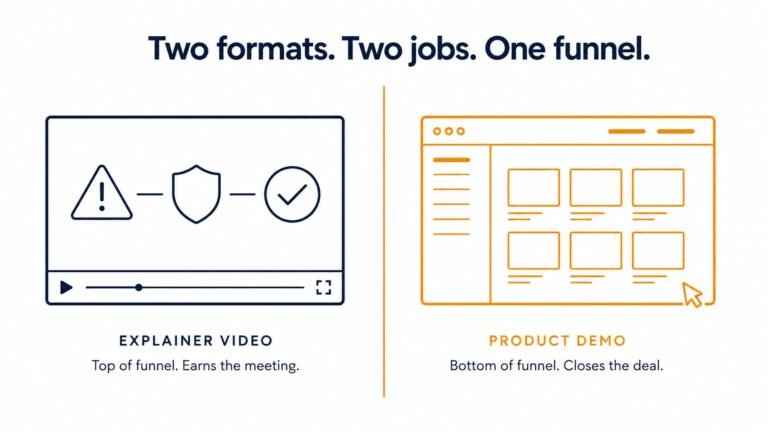
This comes up constantly in r/sales and r/marketing threads and the answer is no, they are different tools for different stages. A product demo shows how the product works, usually in detail, usually for someone already evaluating you seriously. An explainer video shows why the product matters in the first place, usually in under 60 seconds, for someone who has not yet decided to care. You need both. But the explainer comes first. If a visitor does not understand the value in the first 60 seconds, they will not sit through a 10-minute demo.

Yes and no. Live explanations allow for questions but they also depend entirely on your sales rep's ability to simplify on the fly, which varies person to person. A video delivers the same clear explanation every single time regardless of who is running the call. The smarter approach is to use the video before the live call so the call itself starts at a higher level of understanding. You still get the questions. You just skip the basic explanation phase and get to the interesting questions faster.

A good signal from r/startups discussions: if prospects seem interested, ask good questions, and then go quiet after the third call, that is usually an internal selling problem. They liked the product but could not explain it well enough internally to get approval. That is an explanation gap. If prospects disengage during or immediately after the first call, that is more likely a positioning or product-fit problem. The explanation gap tends to show up late in the cycle when your champion goes cold.

Enterprise deals involve more stakeholders, not fewer explanations. Every new stakeholder added to an enterprise evaluation is another person who needs to understand the product from scratch. A 60-second video your champion can share asynchronously to each new stakeholder removes the degradation problem, where the explanation gets slightly less accurate every time it is retold. In a 9-month cycle with 6 to 8 stakeholders, the compounding effect of a clear shared explanation can meaningfully reduce the back-and-forth in the middle stages.

Yes. Unbounce research has shown that video on landing pages can increase conversion rates by up to 80 percent. Wistia data shows that pages with video keep visitors engaged 2.6 times longer. For sales enablement specifically, Forrester research found that one minute of video communicates the equivalent of 1.8 million written words in terms of information absorbed and retained. The ROI case for explainer video in B2B sales is well established. The harder question is not whether it works but whether the video tells the right story. A technically accurate but jargon-heavy video produces none of these results.


Leave a Reply

Your email address will not be published. Required fields are marked *

Stop Losing $10K+ MMR Because Your Explanation!